Why Choose Toughened Glass for Your Home and Business Needs?
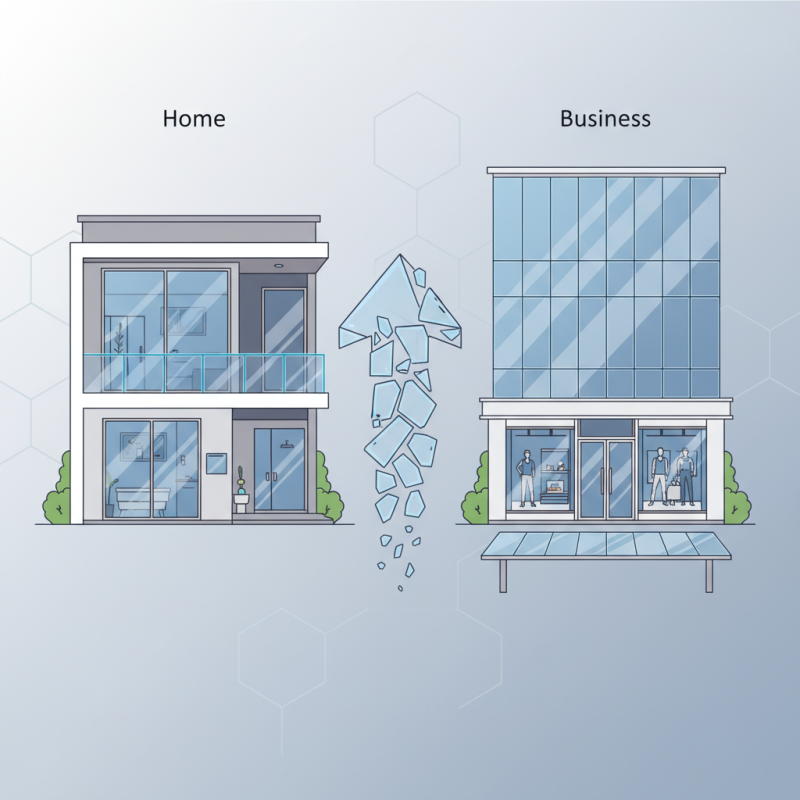
When considering materials for your home and business, Toughened Glass stands out. This glass type offers exceptional strength and safety. It's not just about aesthetics; Toughened Glass is highly durable. It can withstand high temperatures and sudden impacts, making it ideal for various applications.
Imagine using it for your storefront windows. The clarity and resilience enhance visibility while ensuring protection. In homes, it provides a sleek look and an added layer of safety. However, it's essential to choose the right thickness and type for your needs.
Toughened Glass is often more expensive than regular glass. Yet, the long-term benefits can outweigh the costs. The right choice can uplift your space and provide peace of mind. As with any product, researching and understanding its applications is crucial. Consider how Toughened Glass can elevate your environments today.
Benefits of Toughened Glass for Residential Applications
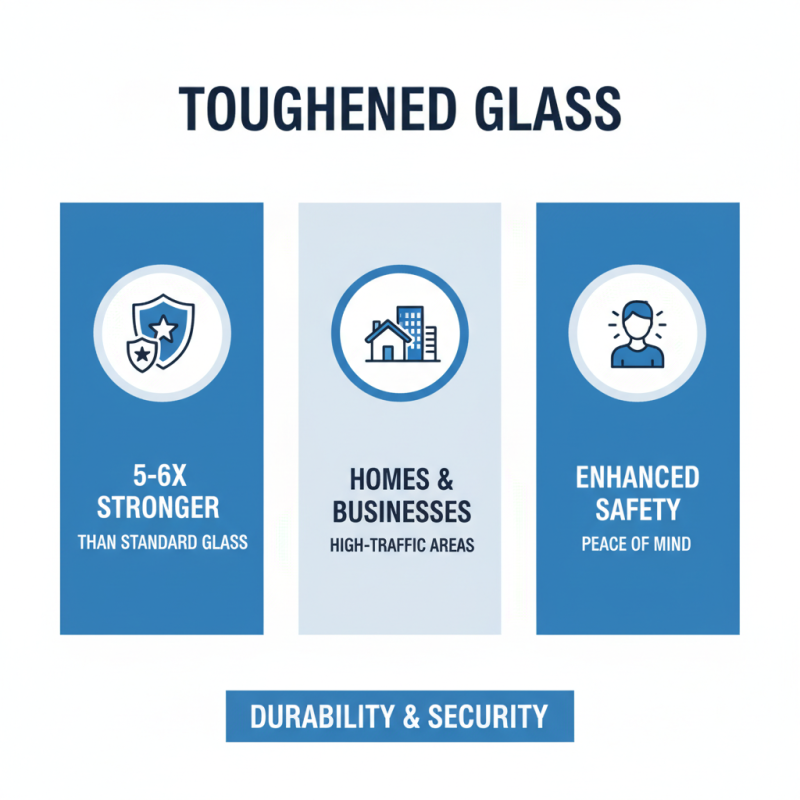
Toughened glass is an excellent choice for both homes and businesses. Its popularity stems from its outstanding strength. It is five to six times tougher than standard glass. This durability is crucial for high-traffic areas. In residential applications, it provides safety and peace of mind.
Consider using toughened glass for windows and doors. It reduces the risk of breakage. It also minimizes injuries if accidents occur. According to a recent industry report, toughened glass could lower injuries by 80%. This is vital for homes with children or pets. Additionally, toughened glass is more energy-efficient. It can keep heating and cooling costs down.
Tips: Always measure your space accurately before installation. Flaws in measurement can lead to costly adjustments. Regular cleaning is essential too. Dust and grime can affect its appearance. Remember, toughened glass is not invincible. Check for signs of wear or damage frequently. Awareness can help maintain its benefits.
Advantages of Toughened Glass in Commercial Settings
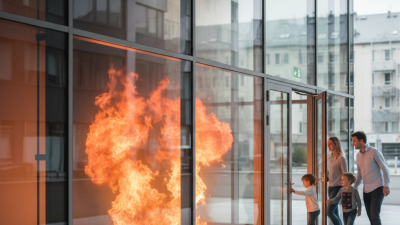
Toughened glass offers numerous advantages in commercial settings. It stands out for its strength and safety features. This type of glass is heated and cooled rapidly during production, enhancing its durability. When broken, it shatters into small, blunt pieces, reducing injury risk. This property makes it ideal for high-traffic areas.
Another benefit is its thermal resistance. Toughened glass can withstand drastic temperature changes. This is crucial for buildings exposed to sunlight and heat. Choosing this glass helps maintain energy efficiency, reducing cooling costs. It also allows for larger, uninterrupted views and designs.
Tips: Always have professionals handle installation. Improper fitting can lead to issues down the line. Regularly inspect your glass for scratches or chips. These can weaken its integrity. Consider laminated glass where safety is a primary concern.
Safety Features of Toughened Glass Compared to Regular Glass
Toughened glass is a popular choice for safety in homes and businesses. Compared to regular glass, its strength is significant. Toughened glass can withstand up to five times the impact of standard glass. According to industry data, 90% of safety-conscious consumers prefer toughened glass for its durability.
Safety features are crucial. Toughened glass breaks into small, blunt pieces. This reduces the risk of injury. In contrast, regular glass shatters into sharp shards. A report from the Glass Association shows that toughened glass significantly lowers accident rates in commercial properties by over 30%.
Tips: Always check for proper installation. Poor installation can compromise strength. Consider the thickness of the glass. Thicker options are often safer.
While toughened glass offers advantages, it is not indestructible. Extreme temperatures can affect its integrity. A case study indicated that improperly manufactured toughened glass failed under stress tests. Regular maintenance is essential to ensure its long-term performance.
Why Choose Toughened Glass for Your Home and Business Needs?
Cost-Effectiveness of Using Toughened Glass in Construction
Toughened glass has gained popularity due to its cost-effectiveness in construction. According to a report by the Glass Association, buildings using toughened glass can reduce long-term maintenance costs by up to 20%. This is significant when considering lifetime expenses. Toughened glass is stronger than regular glass. It can withstand impact, reducing the likelihood of expensive repairs.
Construction projects can benefit from energy efficiency. Toughened glass provides better insulation compared to traditional materials. A study by the Energy Efficiency Council found that using toughened glass can cut heating and cooling costs by 10-15%. This contributes to lower energy bills. However, some might overlook these savings during initial installation. The upfront cost can be higher for toughened glass. Yet, the long-term benefits often outweigh this.
Durability is another factor to consider. Toughened glass is less likely to shatter, providing safety and longevity. Companies that invest in toughened glass report fewer incidents and thus lower insurance costs. The initial cost may require reflection, but replacing weaker materials can lead to higher expenses. It’s a choice that not only protects assets but also enhances overall value.
Environmental Impact and Sustainability of Toughened Glass
Toughened glass has gained popularity due to its durability and aesthetic appeal. However, its environmental impact is equally significant. According to the Glass Packaging Institute, glass is 100% recyclable. This means that toughened glass can be recycled repeatedly without losing quality. This property contributes to a circular economy, reducing waste and the need for new raw materials.
Moreover, the energy consumption during the production of toughened glass has come under scrutiny. Reports from various environmental agencies indicate that the manufacturing process is energy-intensive. For instance, it may require up to 3,000 MJ of energy per ton. This raises concerns about carbon emissions associated with production. While toughened glass is recyclable, the initial creation still poses an environmental challenge.
It's also worth noting the lifecycle impact. Toughened glass lasts longer than many alternatives, potentially leading to less frequent replacements. However, if not disposed of correctly, it can contribute to landfill waste. Reflecting on these aspects is essential for both consumers and businesses that prioritize sustainability. The balance between durability and environmental practices isn't always clear-cut.