Leave Your Message

Top 10 Smart Side Windows Features You Must Consider?

The evolution of automotive design has led to innovative features in vehicles. One such advancement is the introduction of Smart Side Windows. These windows are not mere glass; they integrate technology to enhance the driving experience. A recent industry report by McKinsey indicates that the integration of smart technologies in vehicles could increase their overall value by up to 30%.

Smart Side Windows offer functionalities like tinting on demand, energy efficiency, and augmented reality displays. These capabilities not only elevate comfort but also improve safety and efficiency on the road. For instance, the ability to adjust transparency can help reduce heat inside the vehicle. However, challenges remain in terms of cost and durability. The initial expense of Smart Side Windows may deter some manufacturers from widespread adoption.

As the market grows, the demand for Smart Side Windows is likely to rise. According to a report from Statista, the global smart glass market is projected to reach $6 billion by 2027. Understanding these features is vital for consumers and manufacturers alike as they navigate a rapidly advancing automotive landscape.
Top 10 Smart Side Windows Features You Must Consider?

Top 10 Innovative Smart Side Window Features to Enhance Safety

Smart side windows are becoming essential for vehicle safety. Numerous innovative features enhance protection for drivers and passengers, creating a more secure environment. Advanced sensors can detect obstacles, reducing the risk of accidents when opening windows. These sensors can alert passengers about nearby objects or pedestrians, giving them time to react.

Another valuable feature is the smart tinting technology. This allows windows to automatically adjust based on sunlight exposure. It helps reduce glare and maintain a comfortable temperature inside the vehicle. This technology can also contribute to energy efficiency, indirectly enhancing safety by keeping the driver alert and focused.

Tips: Check the responsiveness of sensors before purchasing. Regular maintenance can ensure these systems work effectively. Moreover, not all smart tinting offers the same level of UV protection. Researching these features can lead to better decision-making.

Incorporating rearview cameras with smart windows provides an added layer of safety. It enhances visibility when reversing or attempting lane changes. This feature can be particularly beneficial in urban settings, where space is limited and obstacles abound. Always be cautious of relying too heavily on technology; human awareness remains vital.
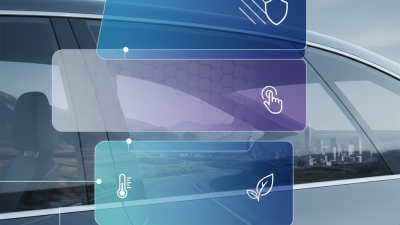
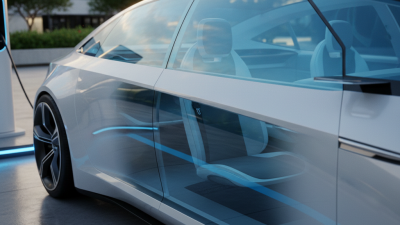
Integrating Smart Technology: Benefits of Enhanced Visibility for Drivers

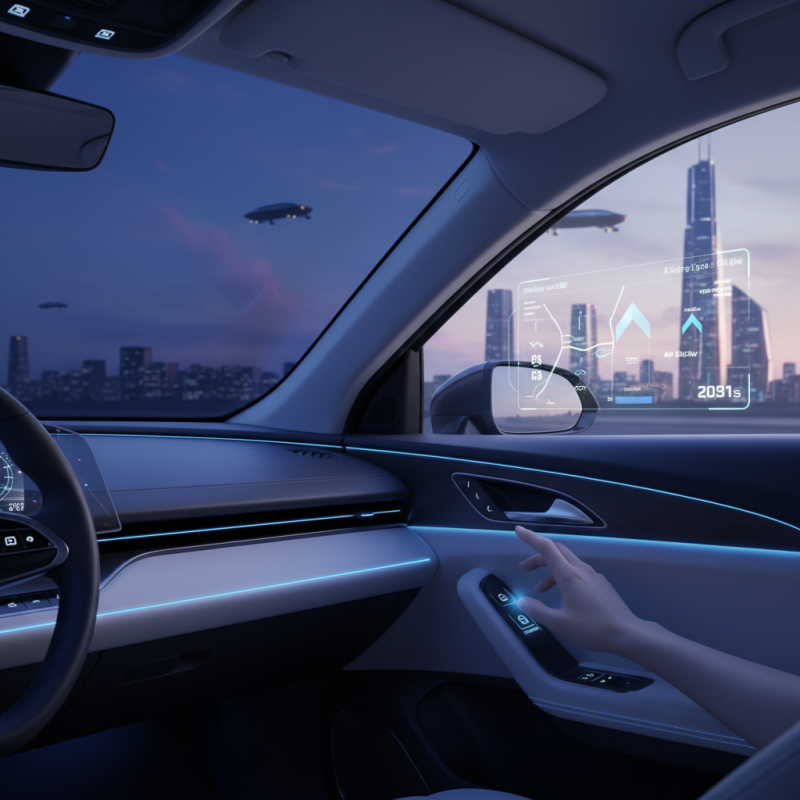
Integrating smart technology into side windows offers several advantages that significantly enhance visibility for drivers. A report from the Transportation Research Board shows that accidents often arise from limited peripheral vision. Smart side windows can reduce blind spots through augmented reality displays. These windows project critical information, such as speed limits and nearby pedestrians, directly onto the glass.

One notable feature is the dynamic tinting capability. This technology adjusts transparency based on external lighting conditions, ensuring optimal visibility at all times. A survey conducted by the National Highway Traffic Safety Administration states that improved visibility can lead to a 30% reduction in accidents. Drivers are more aware of their surroundings, which results in safer driving experiences.

Tip: Regularly check the functionality of your smart features. Technology can sometimes malfunction, leading to over-reliance on these systems.

Moreover, integration with navigation systems allows drivers to see real-time directions displayed on the window. This minimizes distractions and keeps the driver focused on the road. However, many users have reported issues with visibility in direct sunlight, indicating room for improvement.

Tip: Ensure your smart window system is upgraded regularly to benefit from the latest technology enhancements.

Energy Efficiency: The Role of Smart Side Windows in Reducing Emissions

Smart side windows are transforming how we think about energy efficiency in buildings. They can adjust their tint based on sunlight, reducing glare and heat from the sun. This feature helps maintain a comfortable interior temperature, cutting down on air conditioning usage. Less reliance on HVAC systems means lower energy consumption and reduced carbon emissions. Many homeowners are now looking for innovative solutions like these windows to improve their energy footprint.

Furthermore, smart windows can harness solar energy. With built-in photovoltaic cells, they can generate electricity while also serving as a window. This dual function presents a fascinating approach to energy use. However, the technology is still evolving. Durability and cost-effectiveness can be issues. Potential buyers often need to weigh initial costs against long-term savings. Industry experts suggest ongoing research is essential to address these challenges and improve reliability.

Energy efficiency isn't just about saving money; it also reflects our commitment to the environment. Smart side windows exemplify how technology can contribute to sustainability. Even small changes can have a significant impact. Investing in smart window features signals a shift toward greener living. Yet, understanding their limitations is crucial. As technology advances, we can expect even more innovative solutions for energy-efficient design.

User Experience and Comfort: Customizable Features for Passengers

The demand for smart side windows in vehicles is growing. Drivers and passengers alike seek comfort and usability. A recent report indicates that 70% of consumers prioritize customizable features. Smart side windows can adjust transparency and tint based on preference. This offers an enjoyable ride while enhancing privacy.

User experience can significantly improve with responsive features. For instance, a touch control panel can allow passengers to personalize their viewing experience. Various settings can be programmed for different moods or times of day. According to a study, 65% of users appreciate the ability to switch between transparent and opaque states quickly. However, not all systems are user-friendly. Complicated interfaces can frustrate passengers, detracting from the overall experience.

Moreover, incorporating ambient lighting into side windows is an emerging trend. It creates a soothing environment and helps with relaxation during trips. A survey revealed that 55% of passengers feel more comfortable in well-lit, mood-enhanced spaces. Yet, implementing these features comes with challenges. Balancing aesthetic appeal with functionality is crucial. It’s essential to pilot smarter features while gathering user feedback consistently.

Top 10 Smart Side Windows Features You Must Consider

Feature Description Benefit Customization Options
Smart Tint Electrochromic glass that adjusts tinting. Enhances privacy and reduces glare. Adjustable tint levels via app.
Integrated Solar Panels Windows that capture solar energy. Sustainable energy source for vehicle functions. Custom power settings for accessories.
Dynamic Projection Displays Displays information directly on the window. Interactive navigation and alerts. Customizable display settings and themes.
Temperature Control Windows that adjust insulation based on outside temp. Improved comfort and energy efficiency. User-defined comfort settings.
Soundproofing Technology Noise-canceling glass or coatings. Reduces external noise for a peaceful ride. Select noise reduction levels.
Window Ventilation System Active ventilation features in windows. Improves air circulation without opening windows. Adjustable airflow settings.
Smart Control via App Control window features through a smartphone app. Convenient operation from anywhere. Customize notifications and control settings.
Holographic Displays 3D navigation and media displayed on window. Engaging user experience and entertainment. Personalized content and layout settings.
Safety Alerts Visual and audio alerts displayed on windows. Enhanced safety awareness for passengers. Customizable alert types and volumes.
Ambient Lighting Integrated light feature for mood setting. Creates a relaxing atmosphere within the vehicle. Choice of colors and brightness levels.

Data-Driven Insights: Impact of Smart Windows on Automotive Industry Trends

Top 10 Smart Side Windows Features You Must Consider?

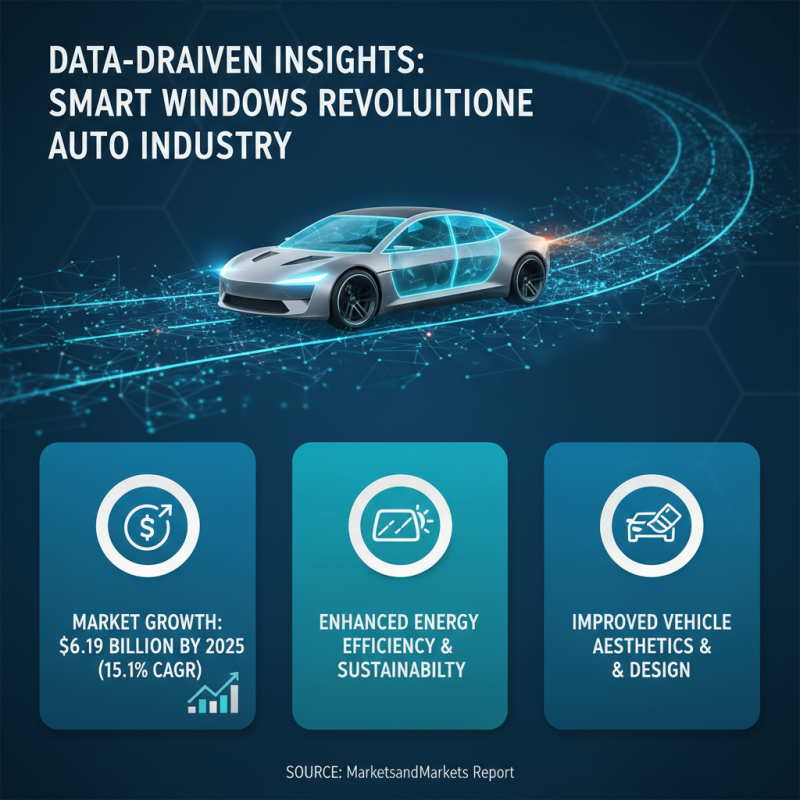
The automotive industry is undergoing a transformation with smart windows gaining notable traction. According to a recent report by MarketsandMarkets, the smart glass market is projected to reach $6.19 billion by 2025, growing at a CAGR of 15.1%. This growth highlights the potential of smart windows to enhance not only vehicle aesthetics but also energy efficiency.

Smart windows offer features such as electrochromic and thermochromic technologies. These enhance passenger comfort by adjusting transparency based on sunlight and temperature. Interestingly, a study by Frost & Sullivan indicates that consumers are increasingly valuing sustainability. About 70% of surveyed customers prefer vehicles that incorporate eco-friendly technologies, including smart windows.

Tips: Consider how these features affect the resale value. Vehicles with advanced window technology may attract more buyers. Always evaluate the cost versus long-term benefits.

Smart windows can also present challenges. Initial costs may deter some manufacturers. While smart windows can reduce energy consumption, their integration requires investment in R&D and training. It’s essential for manufacturers to weigh these considerations carefully against potential market gains.