Why Are Smart Windows the Future of Energy Efficiency and Modern Architecture?
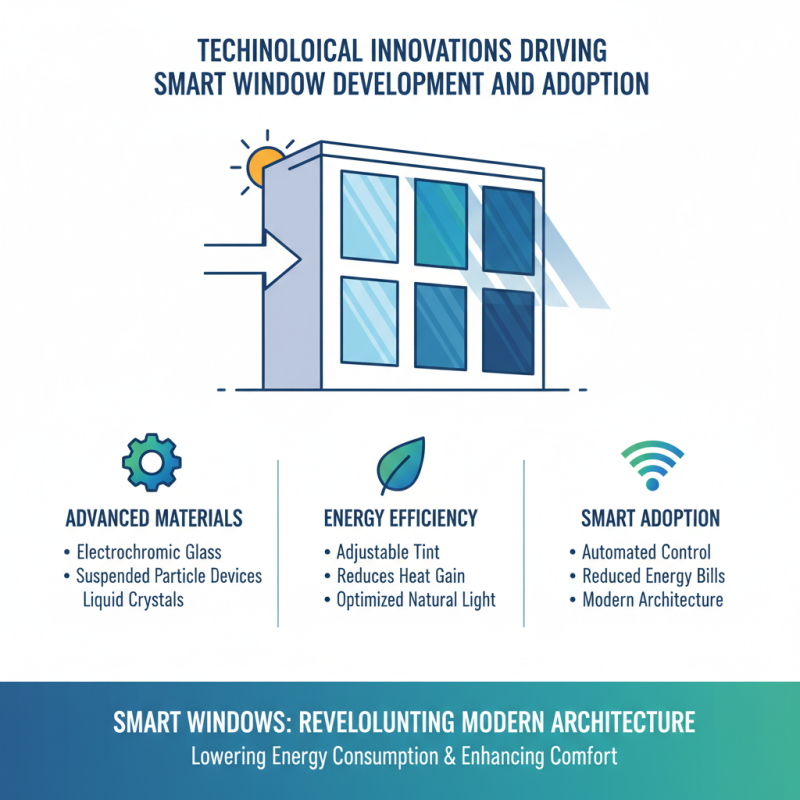
Smart windows are revolutionizing modern architecture. They integrate advanced technology to enhance energy efficiency. According to a report by the Smart Glass Market, these windows can reduce energy consumption by up to 30%. This is significant as buildings account for nearly 40% of global energy use.
These windows adjust their tint in response to sunlight. This feature helps to maintain optimal indoor temperatures. However, not all smart window technologies are widely adopted. Many architects still hesitate to incorporate them due to cost concerns. It's essential to weigh the long-term benefits against initial investments.
Moreover, reports from the National Renewable Energy Laboratory suggest that adopting smart windows can lead to a 20% increase in occupant comfort. This adds value to buildings and promotes sustainability. The path forward may require overcoming existing biases. As the industry evolves, so will the perceptions surrounding smart windows.
The Definition and Functionality of Smart Windows in Modern Architecture
Smart windows are becoming essential in modern architecture. They adapt to changing sunlight by modifying transparency. This ability helps manage heat and light efficiently. Reports indicate that smart windows can reduce energy costs by up to 30%. They maximize natural light while minimizing heat gain. This balance is crucial for sustainable building designs.
Incorporating smart windows can also enhance comfort. They eliminate glare while maintaining a pleasant indoor environment. Users can control lighting through automated systems. However, installation costs can be high. Building owners must weigh the long-term savings against upfront investments.
Tips: Consider the orientation of your building when planning window installations. This can significantly enhance energy efficiency. Additionally, remember that not all smart windows perform equally. Research different technologies to find the best fit for your project.
Why Are Smart Windows the Future of Energy Efficiency and Modern Architecture?
| Feature |
Description |
Benefits |
| Dynamic Tinting |
Windows that adjust tint based on sunlight exposure. |
Reduces glare and heat gain, enhancing comfort and energy savings. |
| Energy Generation |
Integrated photovoltaic cells that convert sunlight into electricity. |
Provides clean energy, potentially offsetting building energy costs. |
| Smart Automation |
Automated control systems that manage window features based on environmental factors. |
Maximizes energy efficiency and user comfort with minimal manual intervention. |
| UV Protection |
Windows that block harmful UV rays while allowing natural light in. |
Protects interiors from fading and reduces health risks associated with UV exposure. |
| Enhanced Aesthetics |
Sleek, modern design that complements contemporary architecture. |
Increases property value and appeal to modern design preferences. |
Energy Efficiency Benefits of Smart Windows in Sustainable Building Design
Smart windows are transforming building design and energy efficiency. These innovative features adapt to changing light and temperature. By controlling sunlight, they regulate indoor temperatures. This reduces the need for heating and cooling systems. As a result, energy consumption drops significantly.
The benefits of smart windows go beyond mere efficiency. They also enhance comfort and aesthetics. Natural light floods interiors without excessive heat. It creates welcoming and pleasant environments. This balance is vital for sustainable architecture. Yet, there are challenges. The technology can be costly. Not all buildings can accommodate the required systems.
Future designs must address these obstacles. The integration of smart windows shouldn’t be an afterthought. Early consideration in planning phases is essential. Builders need to recognize the long-term savings. It's not just about the initial costs; it’s about creating lasting value. Architects face a learning curve as they adapt to this technology. But the potential rewards are considerable.
Energy Efficiency Benefits of Smart Windows in Sustainable Building Design
Economic Considerations: Cost vs. Long-Term Savings with Smart Windows
Smart windows are an innovative solution for modern architecture, offering significant energy efficiency benefits. These windows can adapt their tint based on sunlight, reducing heat gain. This leads to lower air conditioning costs in summer. Yet, the upfront cost of smart windows can be a hurdle. They often come with a higher price tag compared to traditional options.
However, the long-term savings may justify the initial investment. Over time, homeowners can see reductions in energy bills. Maintenance costs are also lower. Smart windows often require less cleaning due to their advanced coatings. Still, some may wonder if the technology will remain effective as energy prices fluctuate.
Incorporating smart windows aligns with sustainable building practices. Many designers are experimenting with this technology. Yet, the adoption rate is still slow. Economic concerns linger, as many owners weigh costs against benefits. Choosing smart windows can be a complex decision for many.
Case Studies: Successful Implementation of Smart Windows in Architecture
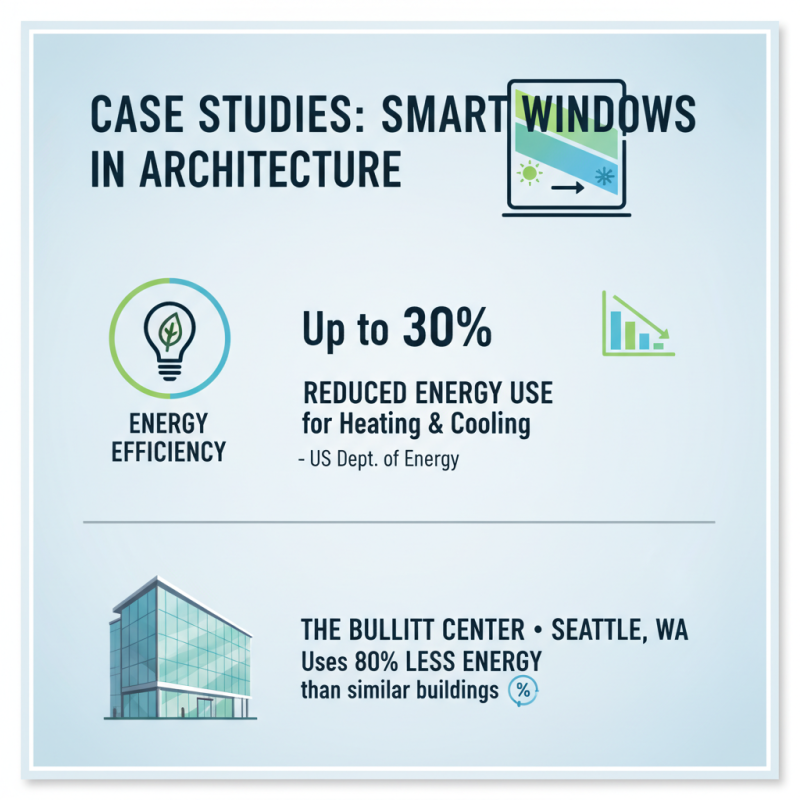
The integration of smart windows in modern architecture showcases their profound impact on energy efficiency. Smart windows adapt their tint based on sunlight exposure, reducing heat gain in buildings. A report from the U.S. Department of Energy highlights that smart glass can reduce energy use for heating and cooling by up to 30%. Notably, the Bullitt Center in Seattle, which features advanced glazing technologies, uses 80% less energy than similar buildings.
A case study of the Edge in Amsterdam reveals the effectiveness of these technologies. The building utilizes electrochromic glazing to enhance comfort and energy efficiency. It reduces artificial lighting needs, contributing to a better work environment. Studies show that natural light improves worker productivity by 15%. Yet, there are challenges. Initial costs of smart windows remain high, and not all designs incorporate them effectively.
Incorporating smart windows into the design process requires careful consideration. Architects must balance aesthetics and functionality. The potential for energy-saving is clear, but it necessitates a commitment to ongoing innovation. Traditional windows are increasingly seen as outdated in this evolving landscape. The future will favor those who embrace advanced technology responsibly.