Why Partition Glass is the Ideal Choice for Modern Interior Design?
In the evolving sphere of modern interior design, Partition Glass has emerged as a transformative element. This innovative material handles spatial divisions while maintaining an open, airy environment. Renowned interior designer Sarah Thompson states, "Partition Glass not only reflects light but also enhances the flow of energy in a space." Her insights encapsulate the essence of why this choice captivates designers and homeowners alike.
The transparency of Partition Glass introduces bright, natural light into areas that would otherwise feel confined. Offices, studios, and homes enjoy increased visibility and connection. Yet, achieving the right balance between privacy and openness can prove challenging. Can one truly feel comfortable behind glass if not strategically designed? This question invites deeper reflection. Potential drawbacks include sound transmission and limited privacy, which can affect personal and professional settings.
In conclusion, Partition Glass represents a pivotal choice in contemporary design. While it brings beauty and function to spaces, careful consideration is essential. Creation of harmonious environments requires a nuanced approach to its implementation. Balancing the aesthetic appeal with practicality remains an ongoing journey for designers and clients alike.
The Aesthetic Appeal of Partition Glass in Interior Design
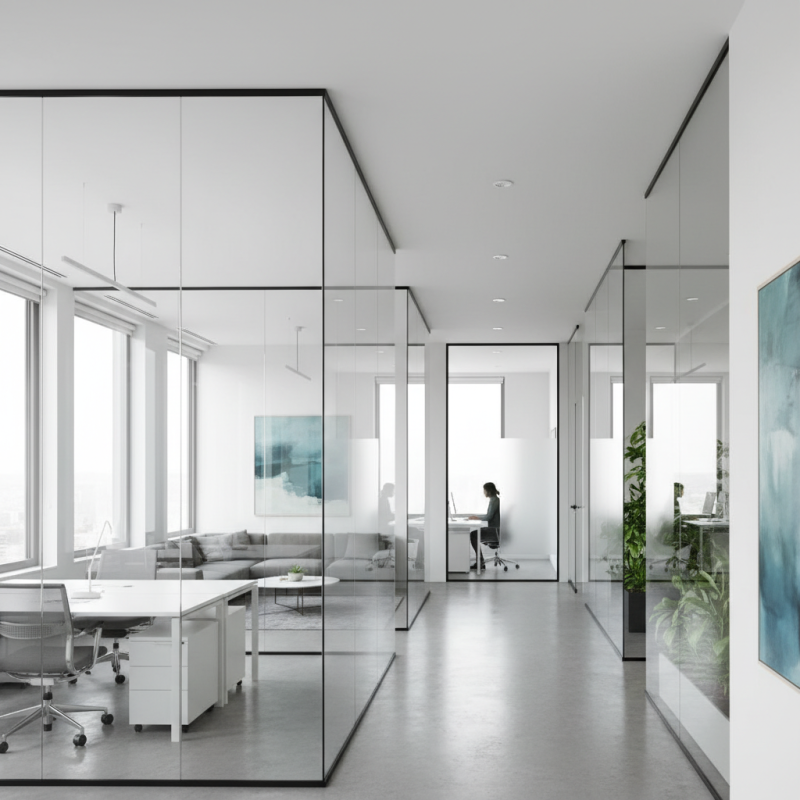
Partition glass has gained immense popularity in modern interior design due to its aesthetic appeal. This material elegantly separates spaces while allowing light to flow freely. According to a report by the International Glass Association, 70% of designers now prefer glass partitions for their versatility and visual appeal.
The transparency of partition glass creates an illusion of spaciousness. This effect is not just about looks; it enhances the overall ambiance of any room. A study from the National Association of Interior Designers highlights that spaces with natural light contribute to productivity. Many offices are now adopting glass designs to harness this advantage. However, one must consider the balance between openness and privacy. Not all environments thrive on full visibility.
Texture and framing play vital roles in the effectiveness of partition glass. Rough edges or overly bulky frames can detract from the sleek design. Some people find this conflicting; they seek modern aesthetics but face challenges with maintenance. Dust and fingerprints can compromise clarity, leaving designers pondering practicality versus beauty. It's crucial to address these details to ensure that glass partitions truly enhance interior spaces.
Functional Benefits of Partition Glass in Modern Spaces
Partition glass has become a popular choice in modern interior design. Its functional benefits transform spaces while maintaining an open feel. This kind of glass allows natural light to flood rooms. It creates a sense of continuity without sacrificing privacy.
In office environments, partition glass can define workspaces. Employees benefit from clear sight lines and more light. Yet, reflection and glare can be issues. These require careful consideration during placement. Homes also embrace this material for aesthetics and practicality. By using partition glass, families can enjoy both spaciousness and separation.
While partition glass offers numerous advantages, it is not flawless. Cleaning can be a hassle, and fingerprints can ruin the sleek look. Additionally, sound can travel easily through glass, which may lead to distractions. Thoughtful design choices and materials are essential to minimize these drawbacks.
Installation and Maintenance Considerations for Partition Glass
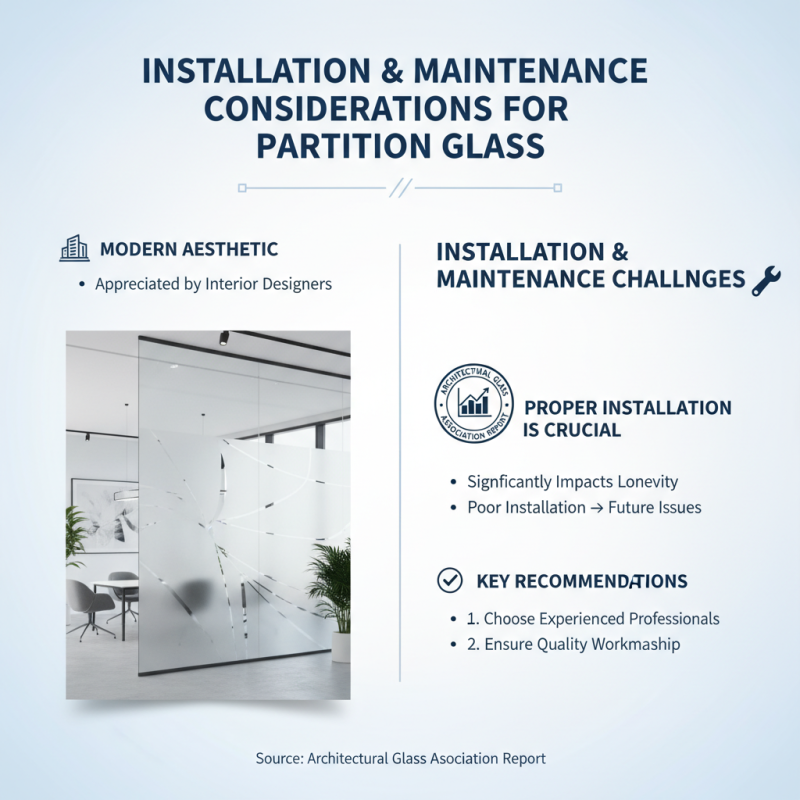
Partition glass offers a modern aesthetic that many interior designers appreciate. However, installation and maintenance present unique challenges. According to a recent report by the Architectural Glass Association, proper installation can significantly affect the longevity of partition systems. Some installers may cut corners, leading to future issues. It's important to choose experienced professionals for this task.
Maintaining partition glass requires regular attention. Dust and fingerprints can quickly diminish its visual appeal. Research shows that using improper cleaning supplies can damage the glass over time. Some cleaners contain harsh chemicals that cause cloudy spots. Optimal maintenance practices involve using mild solutions and soft cloths. Periodic inspections are also vital. Cracks or chips must be addressed ASAP to prevent further damage.
Another consideration is the environmental impact. Glass is recyclable, which is a plus. However, the manufacturing process consumes substantial energy. A balance must be struck between aesthetic appeal and environmental responsibility. Some designers may overlook this aspect, leading to greater scrutiny in future projects. Understanding these factors can help create a more thoughtful design approach.
Versatility of Partition Glass: Styles and Configurations
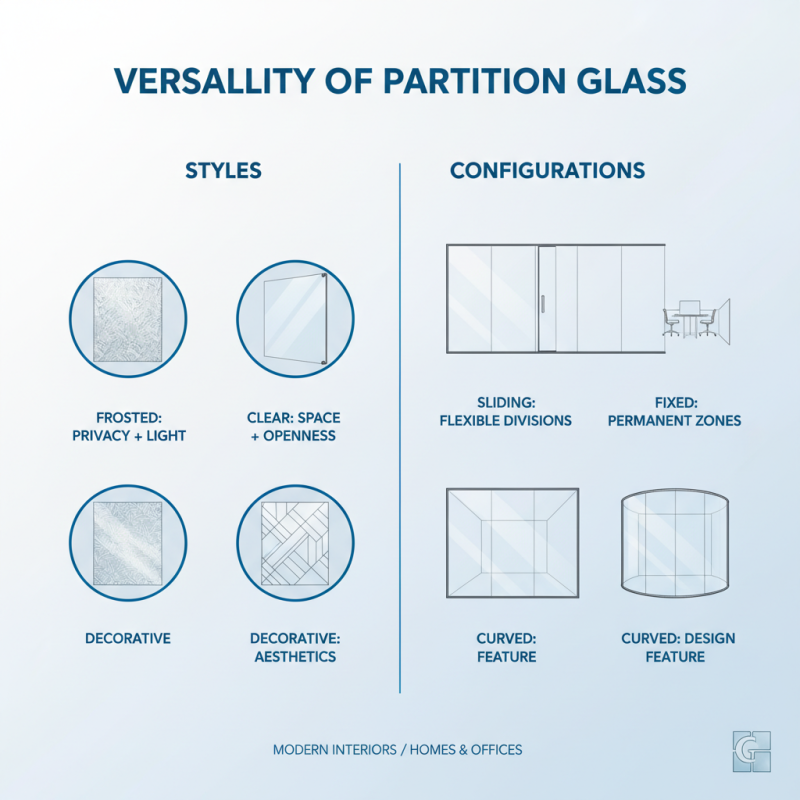
Partition glass serves as a versatile solution for modern interior design. Its ability to create distinct spaces while maintaining an open feel is unmatched. Whether in homes or offices, it offers various styles and configurations to cater to different aesthetic preferences. With frosted glass, one can achieve privacy without sacrificing light. Clear glass can create an illusion of larger rooms.
Configurability is another strong point. Walls can be straight or curved, allowing for unique layouts. Some may prefer sliding panels, making adjustments easy. Others might choose fixed glass walls for a more permanent solution. Each choice comes with its challenges. For example, maintaining cleanliness on glass surfaces requires regular attention.
Lighting plays a crucial role in the effectiveness of partition glass. Natural light can enhance the ambiance, but artificial lighting often needs to be strategically placed. Reflective surfaces can create glare if not thought through. These complexities encourage thoughtful design decisions. Choosing the right partition glass can elevate a space but demands careful consideration.
Sustainability and Eco-Friendliness of Partition Glass Solutions
Partition glass is increasingly recognized for its sustainability and eco-friendliness. As the world shifts towards greener solutions, partition glass offers a compelling option for interior design. According to a 2022 report by the Glass Sustainability Council, glass production generates significantly lower carbon emissions compared to traditional building materials. This makes it an attractive choice for environmentally-conscious designers.
The lifecycle of partition glass also supports sustainability efforts. It is 100% recyclable, reducing landfill waste. The energy used in producing glass partitions is recouped during their long lifespan. However, not all glass is created equal. Some products contain harmful additives. Designers must be diligent in selecting glass that meets environmental standards.
Moreover, partition glass provides natural light, minimizing reliance on artificial lighting. This can lead to energy savings of up to 30%, as stated by the Energy Efficiency Homes Initiative. Yet, the insulating properties of some glass types can be inadequate, prompting further research into better options. Understanding these nuances is crucial for making informed choices in modern design.
Why Partition Glass is the Ideal Choice for Modern Interior Design? - Sustainability and Eco-Friendliness of Partition Glass Solutions
| Feature |
Description |
Sustainability Aspect |
| Recyclability |
Partition glass can be fully recycled, reducing waste. |
Glass can be repurposed for new products, minimizing environmental impact. |
| Energy Efficiency |
Good thermal insulation properties help reduce energy consumption. |
Helps in lowering carbon footprint by reducing heating and cooling needs. |
| Indoor Air Quality |
Non-toxic materials improve the indoor environment. |
Contributes to healthier spaces with fewer volatile organic compounds (VOCs). |
| Aesthetic Versatility |
Available in various styles and finishes to match modern decor. |
Reduces the need for multiple materials, simplifying design and sourcing. |
| Durability |
Resistant to wear and tear, ensuring a long lifespan. |
Lower replacement frequency leads to reduced resource use over time. |