Installing a Fireproof Curtain Wall demands attention to detail and precision. A fireproof curtain wall acts as a barrier, protecting structures from the spread of flames and smoke. It combines aesthetics with reliability.
To install a Fireproof Curtain Wall effectively, one must understand several essential steps. Proper planning is crucial. Materials should meet fire safety standards. Inadequate preparation can lead to failures. Assess the building's design before beginning.
Measurements must be accurate. Every installation site varies, so customization is often required. Even small errors can impact performance. Recognizing potential challenges during installation can prevent costly setbacks. Reflection on each stage of the process ensures a high-quality outcome.
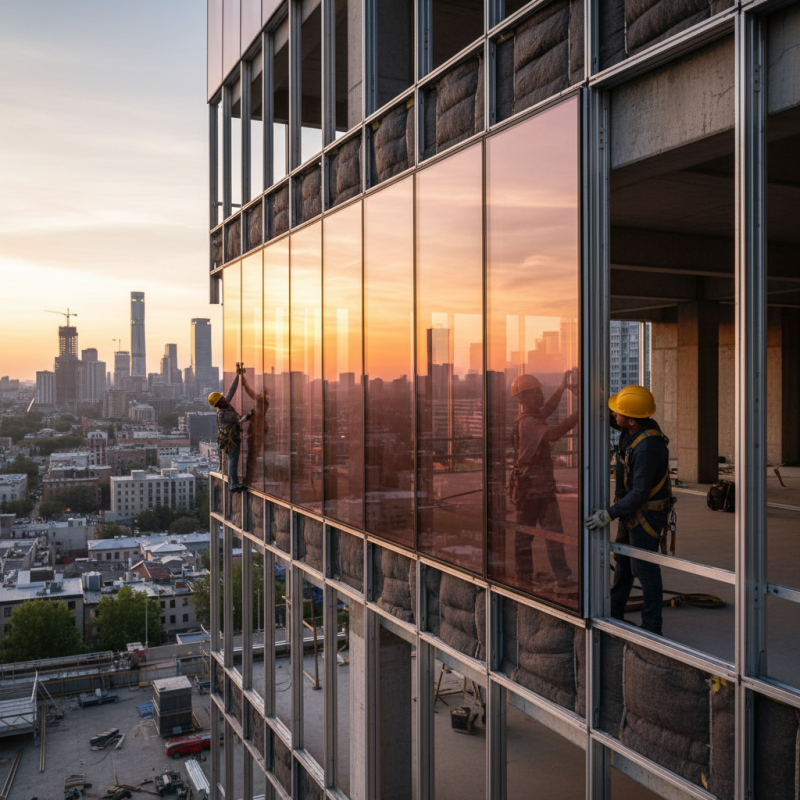
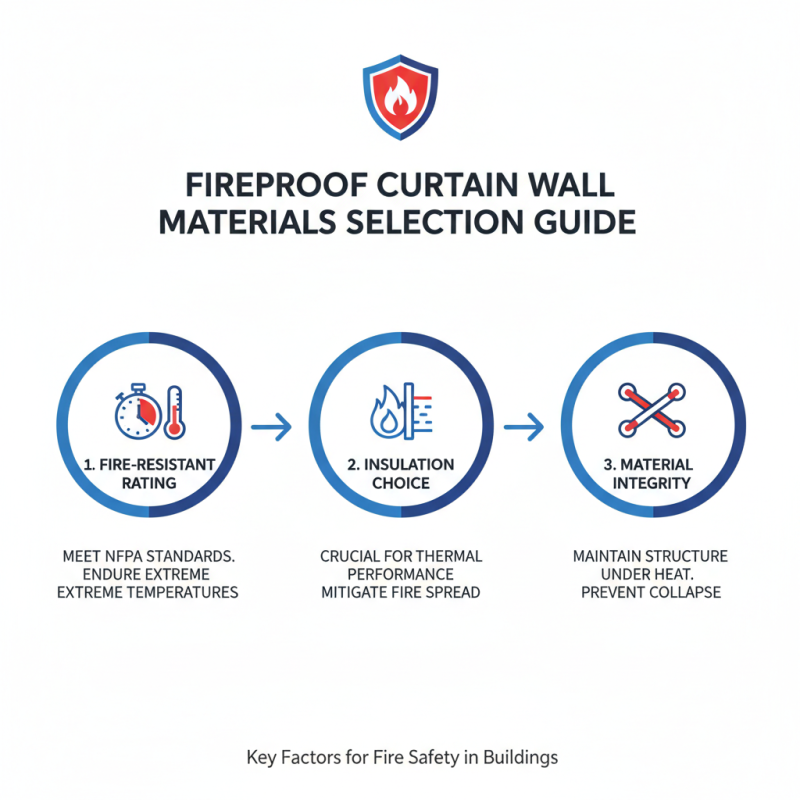
When selecting fireproof curtain wall materials, several factors demand careful consideration. The National Fire Protection Association (NFPA) emphasizes that fire-resistant ratings should meet specific standards. Materials must endure extreme temperatures without losing integrity. The choice of insulation is crucial. It affects thermal performance and overall fire safety. Proper insulation can mitigate the spread of fire.
Weight and structure impact installation efficiency. Lighter materials are often preferred, but they must not compromise safety. A report by the International Code Council indicates that the use of lightweight materials increased by 30% in commercial buildings over the past decade. However, mixing materials can complicate structural integrity, leading to potential safety hazards.
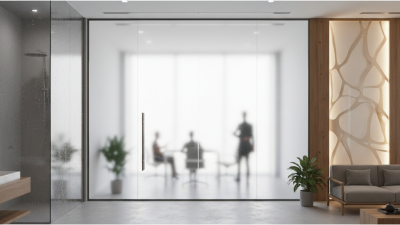
Aesthetic appeal shouldn't overshadow safety. Fire-resistant glass is an option, offering both beauty and functionality. Yet, these materials can be high-cost and require expert installation. This means budget constraints often lead to subpar choices. Misleading claims about fire performance can leave many buildings vulnerable. Continuous education in material selection is paramount.
Preparing the installation site for fireproof curtain walls is crucial. Begin by clearing the area. Remove any existing structures or debris. This creates a clean workspace. Check the ground conditions as well. Uneven or unstable surfaces can create difficulties later.
Next, ensure that all necessary tools are available. Measure the wall space accurately. Mark clear boundaries for the installation. Don’t rely solely on estimations; double-check measurements to avoid mistakes. It’s essential to assess access routes for equipment and materials.
Finally, consider safety measures. Fireproof walls are essential for protection, but the installation process poses its risks. Wear appropriate safety gear. Encourage team members to voice concerns. Reflect on past installations. Review what went wrong before. Learning from previous experiences helps prevent issues.
Installing fireproof curtain walls requires careful planning and execution. It’s about more than just following guidelines. You need to understand the material and the environment. The fireproof curtain should have the correct design and dimensions for effective installation. Measure accurately before cutting. Precision matters in ensuring a tight fit.
Tips: Always check for any inconsistencies in the surfaces where you will attach the walls. Uneven surfaces can lead to gaps. Use a level to verify alignment. Adjustments should be made before installation progresses.
Another important technique is to secure the fireproof material properly. Apply appropriate adhesives or fasteners as recommended. Ensure that the connections are tight to prevent any potential fire spread. After installation, perform a thorough inspection. Look for signs of weakness or gaps that could compromise safety.
Tips: Keep a log of any adjustments made during installation. This could help in future maintenance or repairs. It’s easy to overlook small details, but those can be crucial. Invest time in the final checks for a reliable fireproof barrier.
| Installation Technique | Description | Materials Used | Benefits |
|---|---|---|---|
| Pre-Installation Assessment | Evaluate the building structure and fire safety requirements. | Building Blueprints, Fire Safety Codes | Ensures compliance with safety regulations. |
| Framework Installation | Install the supporting framework for the curtain wall. | Steel, Aluminum, Brackets | Provides structural integrity. |
| Fireproof Panel Placement | Secure fire-rated panels to the framework. | Fire-Rated Glass, Mineral Board | Enhances fire resistance of the wall. |
| Sealing Joints | Seal joints between panels to prevent fire and smoke spread. | Fire-Resistant Sealants | Ensures a tight seal for safety. |
| Final Inspection | Conduct a thorough inspection of the installation. | Inspection Tools, Safety Regulations Checklist | Verifies compliance with fire safety standards. |
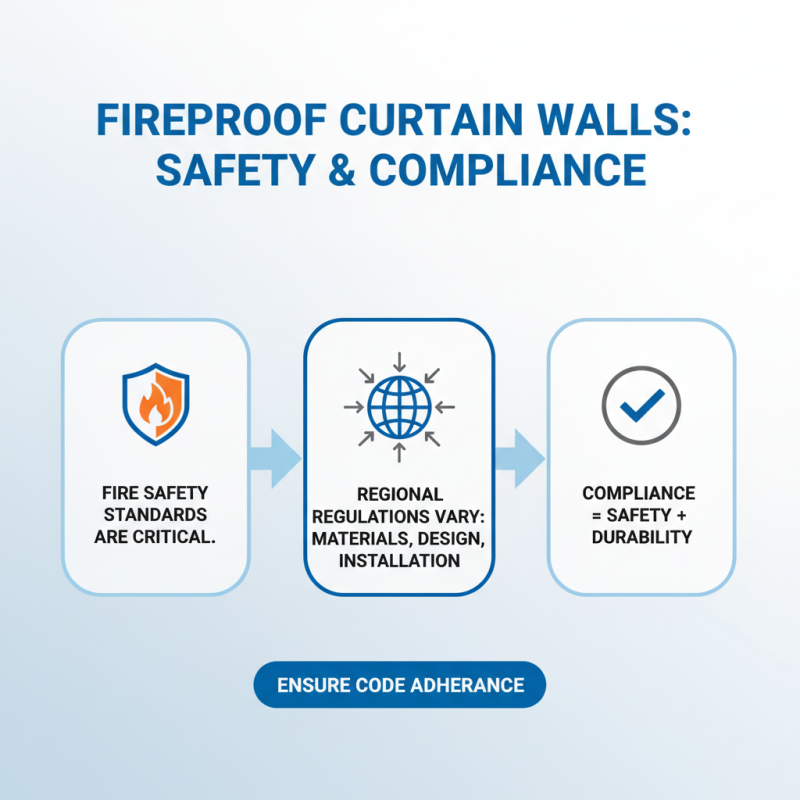
When installing fireproof curtain walls, compliance with fire safety standards is critical. Each region has specific regulations that dictate materials, design, and installation methods. Understanding these requirements ensures not only safety but also durability.
Proper installation begins with selecting the right materials. Fire-rated materials should be chosen based on the building's occupancy and local codes. The design must consider potential escape routes and emergency access. Inadequate planning can lead to safety risks and costly adjustments later. Next, installation techniques play a significant role. If the curtain wall is not installed correctly, it may fail during a fire, compromising the entire structure.
Regular inspections and maintenance are also essential. Over time, even the best installations may show wear. Routine checks can identify issues early, preventing larger hazards. However, workers often overlook minor damages, believing them to be insignificant. Ignoring small cracks or gaps can lead to serious problems later. It's important to foster a culture of safety and vigilance during both the installation and upkeep of fireproof curtain walls.
Fireproof curtain walls serve a critical role in modern buildings by enhancing safety and fire resistance. To ensure their longevity, proper maintenance is essential. According to a recent report by the National Fire Protection Association (NFPA), nearly 50% of fire-related property damages result from inadequate building safety measures. Regular inspections can identify early signs of wear or damage in curtain wall systems.
Maintaining fireproof curtain walls involves routine cleaning, checking seals, and assessing insulation. Retrofitting these systems with advanced materials can extend their lifespan. The American Society for Testing and Materials (ASTM) suggests that regular assessments can increase durability by up to 30%. Yet, many building owners overlook this practice, leading to vulnerabilities that can be life-threatening.
Ignoring proper care could lead to structural failures during critical moments. A study revealed that 25% of building systems failed to meet fire safety codes due to neglect. This highlights a need for comprehensive maintenance practices and education for property managers. Focusing on proactive measures can greatly enhance the effectiveness of fireproof curtain walls.