Why is Fire Proof Glass Essential for Building Safety?
Fire Proof Glass is not just a building material; it is a critical component for safety. In both residential and commercial settings, fire hazards can have devastating consequences. Traditional glass fails under high heat, allowing flames and smoke to spread rapidly. Fire Proof Glass, on the other hand, provides a barrier against these dangers. It helps to contain fires, giving occupants more time to evacuate safely.
The use of Fire Proof Glass in windows and doors can drastically improve building safety. It withstands high temperatures and prevents flames from passing through. In some designs, it can even offer protection for up to several hours. However, the effectiveness of Fire Proof Glass depends on quality and installation. Not all products are created equal. If improperly installed or chosen, they may not perform as expected.
Building codes increasingly mandate Fire Proof Glass in certain areas. Yet, some still overlook its importance. While it does not eliminate the risk of fire, it significantly mitigates it. This material must be viewed as a vital investment, not just an option. Ensuring adequate fire safety measures, including Fire Proof Glass, is essential. It protects lives and property during emergencies.
Understanding Fire Proof Glass and Its Composition
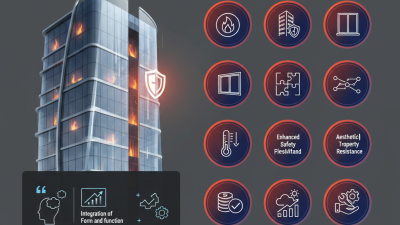
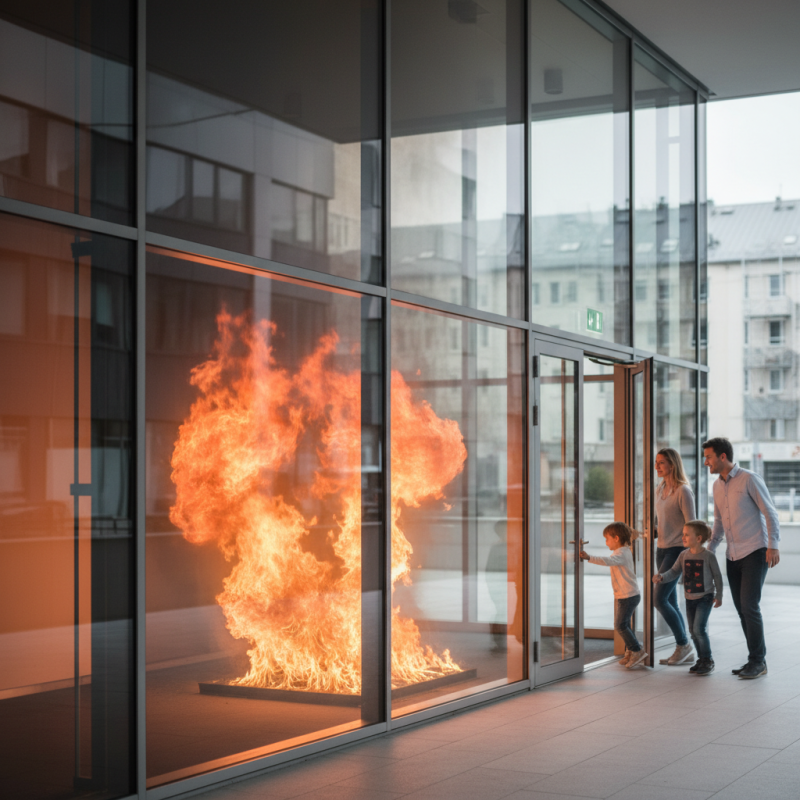
Fire proof glass plays a crucial role in enhancing building safety. It is engineered to withstand extreme temperatures and slow the spread of fire. Its composition typically includes multiple layers of glass and an interlayer of fire-resistant material. This design helps maintain structural integrity while blocking heat transfer.
Reports indicate that fire resistant glazing can decrease fire-related injuries by up to 75%. This is significant, especially in commercial buildings where safety standards are paramount. The inclusion of fire proof glass in design plans is not just an option; it's often a requirement in many regions.
Tip: Ensure that fire proof glass meets the necessary certifications for your area. Quality standards vary widely.
Not all fire rated glass is created equal. Some products offer only basic protection, while others provide extensive fire resistance. Be cautious in selecting materials based on your specific needs. Always consult with a professional.
Tip: Regularly review fire safety protocols in your building. Updating materials and systems can prevent disasters.
The Role of Fire Proof Glass in Building Design for Safety
Fire proof glass plays a crucial role in modern building design for safety. It is specially engineered to withstand high temperatures and prevent the spread of flames. According to a report by the National Fire Protection Association, nearly 3,000 structural fires occur in the U.S. each year. This highlights how vital effective fire protection is in architecture.
Incorporating fire proof glass can significantly enhance safety. Doors and windows made from this material can resist heat for extended periods, often up to two hours, allowing for safe evacuation. However, there are challenges. Not all buildings use the best materials. Some opt for cheaper alternatives that do not meet safety standards. A study from the International Code Council emphasizes that nearly 30% of buildings fail fire safety inspections due to inadequate materials.
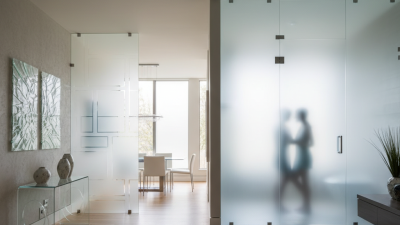
Moreover, fire proof glass also contributes to aesthetic design. It maintains transparency while offering protection. Still, builders sometimes overlook this. The balance between safety and design can be tricky. Insufficient training and awareness about fire safety materials in construction remain issues. In this evolving field, continuous education is essential for ensuring safety through thoughtful design choices.
Why is Fire Proof Glass Essential for Building Safety?
| Dimension |
Description |
Importance |
| Type of Fire Proof Glass |
Tempered, laminated, or intumescent glass |
Provides different levels of fire resistance |
| Fire Rating |
Typically rated from 20 to 90 minutes |
Determines the time it can withstand fire |
| Location Use |
Entrances, windows, and partition walls |
Critical for escape routes and safety zones |
| Building Compliance |
Meets fire safety regulations |
Ensures legal safety standards are met |
| Aesthetic Value |
Available in various designs and finishes |
Enhances building design without compromising safety |
Regulatory Standards and Certifications for Fire Proof Glass
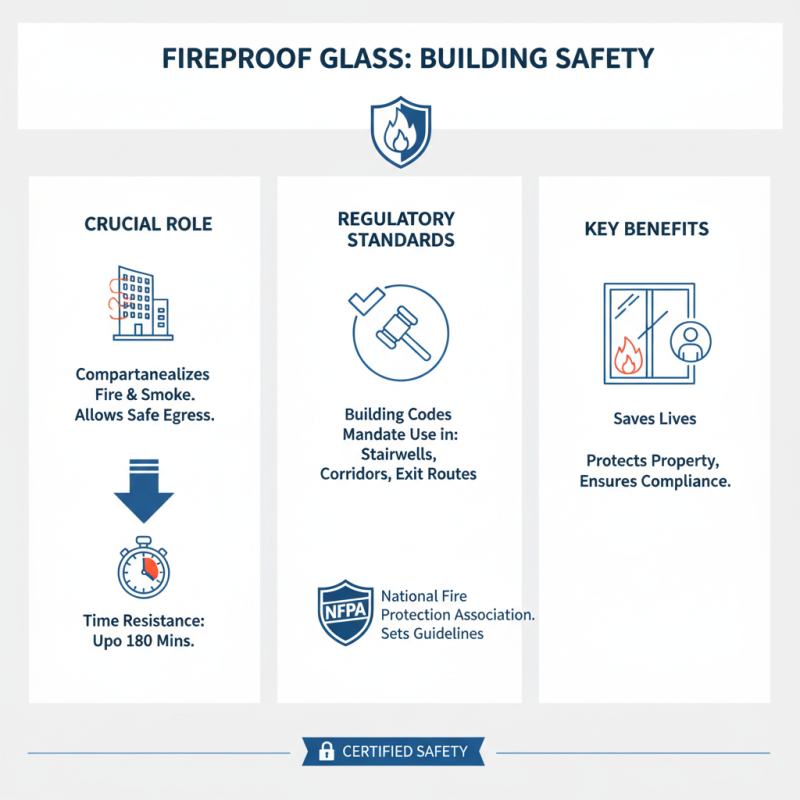
Fireproof glass plays a crucial role in building safety. Its importance is underscored by strict regulatory standards and certifications. In many regions, building codes mandate the use of fire-rated glazing in specific areas. For instance, the National Fire Protection Association (NFPA) sets guidelines to ensure materials can withstand high temperatures. This helps mitigate the spread of fire and smoke.
Certification bodies like Underwriters Laboratories (UL) evaluate fireproof glass for compliance with safety ratings. This testing often involves exposure to flames for a designated time. Reports show that properly certified fireproof glass can resist fire for up to 120 minutes. It’s a critical factor for buildings, especially in high-traffic areas. Yet, not all products meet these standards, leading to concerns about safety.
Many building owners overlook the importance of verifying certifications. A lack of understanding can lead to poor choices. Statistically, around 25% of commercial buildings fail fire safety inspections due to improper materials. This data indicates a pressing need for awareness. High-quality fireproof glass is an investment in safety. The consequences of neglecting proper standards can be severe.
Applications of Fire Proof Glass in Various Building Types
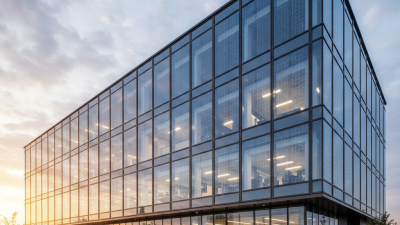
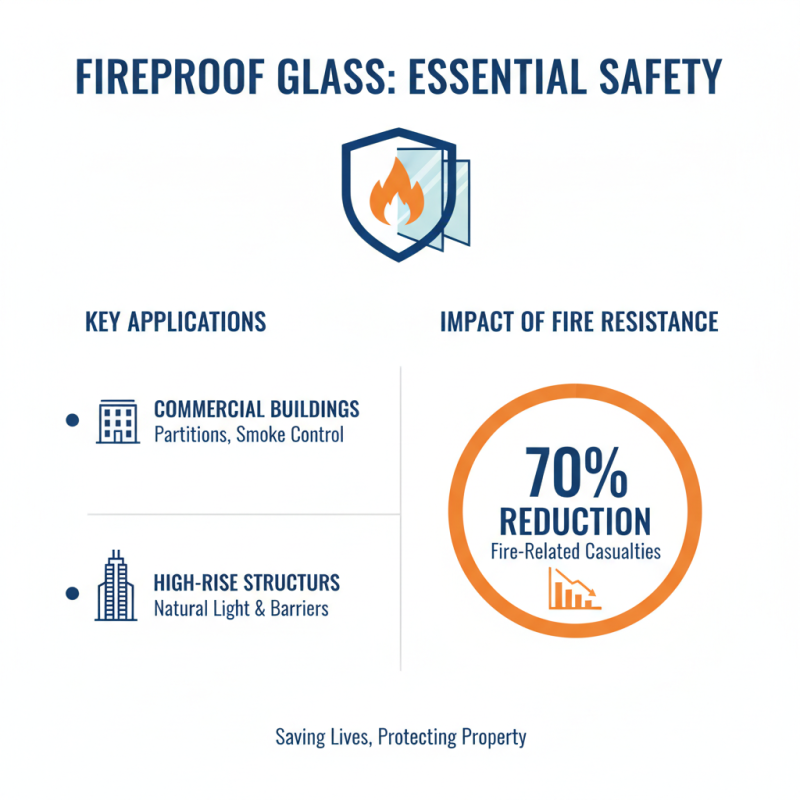
Fire proof glass plays a vital role in various building types. Its applications are diverse and essential for ensuring safety. In commercial buildings, fire proof glass can be found in partitions. This helps contain fires and limits smoke spread. In high-rise structures, it allows natural light while providing fire-resistant barriers. Reports indicate that the use of fire resistant materials can reduce fire-related casualties by about 70%. This statistic underscores the importance of such glass in public spaces.
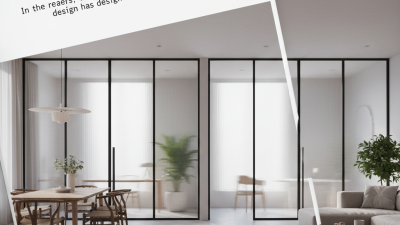
In residential settings, fire proof glass is often used in doors and windows. This enhances occupant safety during emergencies. A recent study revealed that homes with fire-rated glazing showed lower damage during fires. Additionally, educational buildings utilize this type of glass in classrooms and hallways. It helps create safe evacuation routes while maintaining visibility. However, the cost of fire proof glass can deter some builders. This raises questions about accessibility and effectiveness in poorer communities.
As regulations evolve, the demand for fire proof glass will likely increase. While many are aware of its benefits, some may not understand the extent of its protection. Awareness and education are crucial in ensuring buildings are equipped with necessary fire safety measures. It's a complex issue that requires ongoing reflection and improvement in industry standards.
Benefits of Using Fire Proof Glass for Fire Prevention and Safety
Fire proof glass plays a vital role in modern construction. It helps save lives and property during fires. According to industry reports, using certified fire-rated glass can withstand extreme temperatures. This enhances safety for building occupants.
The benefits go beyond just compliance. Fire proof glass can delay the spread of flames and smoke. Studies show that proper installation can provide up to 90 minutes of protection. This crucial time can mean the difference between life and death. Clear visibility through fire rated glass helps people navigate safely in emergencies.
Moreover, it supports the overall integrity of a building. Many architects recognize its value in risk assessment. However, some still overlook it in design phases. Increased awareness is needed about its importance. Investing in fire resistant materials ultimately contributes to a safer environment.