What Are 10 Decor Wall Mirror Buying Tips for Global Buyers?
Buying a Decor Wall Mirror for an international project involves more than choosing an attractive frame. Global buyers must examine size, glass quality, mounting systems, packaging, and supplier reliability before placing an order. A mirror may look elegant online, yet arrive with weak corner protection or unclear installation instructions. That gap between presentation and performance deserves careful attention.
This guide introduces ten practical buying tips for importers, retailers, hospitality teams, and homeowners. It considers visual style, room proportions, reflective clarity, frame materials, moisture resistance, and safe delivery. Measurements should be checked twice, especially when a mirror will fit above a console, vanity, or narrow hallway. Small errors become expensive after shipping.
Ask for precise product specifications. Confirm dimensions, net weight, carton size, finish samples, and available mounting hardware. Experienced suppliers should explain quality-control procedures and provide realistic production timelines. Buyers should also review previous customer feedback, product photographs, and sample orders where possible. Trust needs evidence.
Details matter most.
International purchasing also requires awareness of regional electrical or building requirements when lighting features are included. A non-lit mirror is usually simpler, but wall structure and installation methods still differ across markets. Do not assume one mounting kit suits every surface. That assumption can fail.
The following tips offer a balanced framework for comparing suppliers and products. They are practical, but not perfect. Style preferences, climate, budget, and local installation conditions can change the final decision. A reliable purchase comes from questioning attractive claims, checking physical details, and leaving enough time for safe delivery and professional installation.
Define Your Space, Style, and Functional Needs
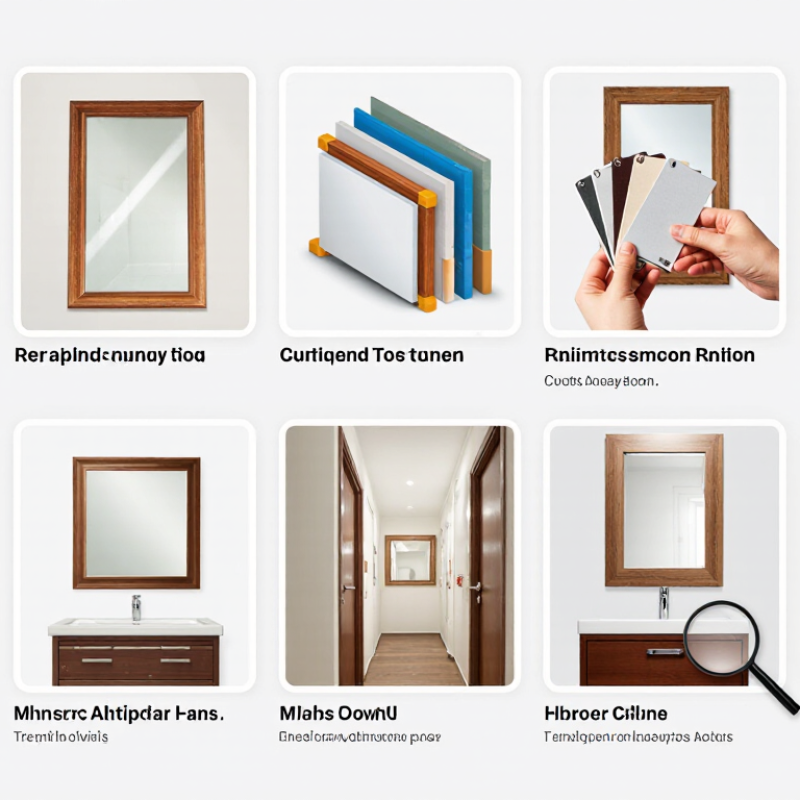
Global buyers should define the room before choosing a decorative wall mirror. Measure the wall, furniture width, viewing distance, and door clearance. A mirror above a console usually looks balanced when its width is about two-thirds of the furniture below it. In a narrow hallway, a vertical shape can visually increase height. In a dark room, place the mirror opposite a window, but avoid direct sunlight that may create glare. Grand View Research projects the global home décor market to grow at about 4.8% annually from 2024 to 2030, showing how personal space planning increasingly influences purchasing decisions.
Tips: Tip 1, write the room’s purpose before shopping. Tip 2, choose round edges for softer interiors. Tip 3, select rectangular frames for structured rooms. Tip 4, check the mirror’s actual reflection size. Tip 5, confirm wall strength and mounting hardware. Tip 6, compare moisture resistance for bathrooms. Tip 7, inspect frame finishing under natural light. Tip 8, check packaging standards for international shipping. Tip 9, verify dimensions in centimeters and inches. Tip 10, leave visual breathing space around the mirror.
Function should guide style, not replace it. A bedroom mirror needs honest color reflection and comfortable viewing height. A hallway mirror should support quick checks without blocking movement. The IKEA Life at Home Report 2023 found that many people connect home comfort with personal identity, which supports choosing mirrors that feel lived-in, not merely fashionable. I once preferred an oversized mirror, but it crowded the wall. That mistake still matters. Bigger is not always better.
Choose the Right Mirror Size, Shape, and Wall Position
For global buyers, wall position matters as much as mirror quality. The global home décor market reached about USD 681.5 billion in 2023, according to Grand View Research. This growth gives shoppers more choices, but also more sizing mistakes. Measure twice. Record wall width, ceiling height, vanity size, and door swing before ordering.
A mirror usually looks balanced when it is 50–100 millimeters narrower than the furniture below it. For a 900-millimeter vanity, a 700–850-millimeter mirror often creates comfortable visual margins. Leave breathing room. Keep at least 150 millimeters from nearby corners, cabinets, or switches where possible. In a narrow hallway, choose a vertical rectangle. It can visually increase ceiling height. A round mirror softens angular furniture and suits compact entryways.
Check the wall’s natural light during morning and evening. Direct sunlight may create glare, while a dark wall can make reflective surfaces look smaller. Place the mirror where it reflects a window, artwork, or open space, not a cluttered storage area. The 2024 Houzz U.S. Bathroom Trends Study identifies mirrors and lighting as important elements in bathroom renovations, reinforcing the need to assess both reflection and illumination together. Light changes everything. I still prefer mock-ups made from cardboard before installation; digital previews often hide awkward edges, incorrect proportions, and uncomfortable viewing height. Mount the mirror so the main user’s eye level sits near its center, then adjust for children, seated users, or shared spaces.
10 Decor Wall Mirror Buying Tips for Global Buyers
Choose the right mirror size, shape, and wall position with practical planning benchmarks.
These benchmarks help buyers compare mirror dimensions and installation clearances before ordering.
Mirror width is commonly selected at about 75–90% of the furniture below it, while a 10–20 cm visual gap
usually creates balanced wall spacing. A clear walking path of approximately 90 cm is a practical target,
but local building codes, wall conditions, furniture size, and user height should always be checked.
Evaluate Materials, Craftsmanship, and Safety Features
When selecting a decorative wall mirror for international use, inspect material before appearance. Ask whether the frame is solid wood, metal, resin, or engineered board. Check moisture resistance for bathrooms and humid coastal homes. Examine welds, joints, corners, and coating for gaps or sharp edges. A slightly uneven handmade finish may be acceptable. Not perfect. Loose parts are not. Request clear photos and a sample when possible.
Study the glass closely. Look for even reflection, flatness, clean edges, and consistent silver backing. Safety film or shatter-resistant backing can reduce scattered shards after breakage. Confirm the glass thickness and edge treatment. Verify wall hardware, screw quality, load rating, and whether anchors suit masonry, drywall, or tile. The hanging system must support more than the mirror’s actual weight. Measure the wall, doorway, package, and installation space before ordering. Small errors become expensive across borders.
Ask for inspection records, packaging details, and care instructions. Strong corner protection, moisture barriers, and impact testing matter during long transport. Confirm compliance documents for the destination market, because requirements differ. Check country-of-origin labels, warning language, and warranty terms. Independent inspection adds useful evidence, though it cannot replace careful judgment. I once underestimated hallway clearance; the mirror arrived safely but could not reach the room. Leave room for human mistakes. A reliable supplier should answer technical questions precisely, not merely promise “premium quality.”
Verify Global Shipping, Packaging, Costs, and Return Policies
What Are 10 Decor Wall Mirror Buying Tips for Global Buyers?
Verify Global Shipping, Packaging, Costs, and Return Policies
Global buyers should verify whether the seller ships to their exact destination. Ask for a written freight quote before paying. Confirm the delivery term and who handles customs clearance. Check the estimated transit time, not only the dispatch date. Request all required commercial and packing documents in advance. These details can prevent delays at a busy border.
Packaging deserves close attention because mirrors are fragile and heavy. Ask whether the glass has corner protection, foam padding, and a rigid outer crate. Request packaging photographs showing the mirror fully secured. Confirm the packed dimensions and weight before booking transport. I once underestimated crate size, and the delivery surcharge was unpleasant. A second measurement would have helped.
Calculate the complete landed cost, including freight, taxes, handling fees, and currency charges. Ask whether damage insurance is available and how claims must be documented. Read the return policy carefully, especially restocking fees and return freight responsibility. Confirm the reporting deadline for cracks or frame damage. Photograph the package before opening it, then inspect the mirror under bright light. Some sellers provide generous policies, but vague wording still requires careful questions.