Top Curved Glass Guard Features Benefits and Applications?
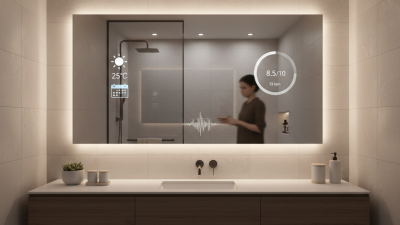
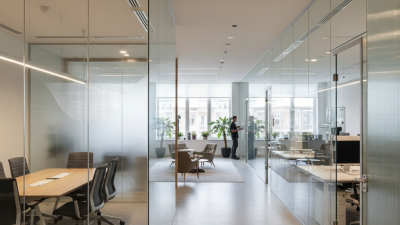
The Curved Glass Guard is a remarkable innovation in architectural design. Its unique shape offers both aesthetic appeal and functional benefits. When applied in various settings, this feature enhances the overall experience of a space.
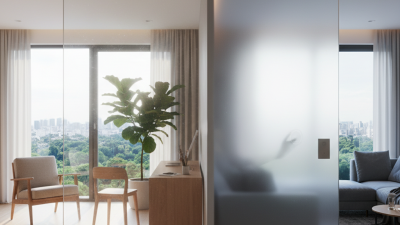
One key advantage of the Curved Glass Guard is its ability to provide unobstructed views. This promotes a feeling of openness and connection to the surrounding environment. Outdoor spaces, such as balconies or patios, are transformed with its sleek, modern appearance. However, there are some concerns. How well does it stand against extreme weather conditions? This is an important consideration for many builders and homeowners.
Moreover, safety is paramount. The Curved Glass Guard is designed to resist impacts while maintaining transparency. This balance is crucial for environments where safety and style must coexist. Yet, the cost factor can be a hurdle. While the benefits are clear, they come with a price tag that not every budget can accommodate. Thus, it's vital to weigh these aspects carefully when considering the Curved Glass Guard for any project.
Features of Curved Glass Guards: An Overview
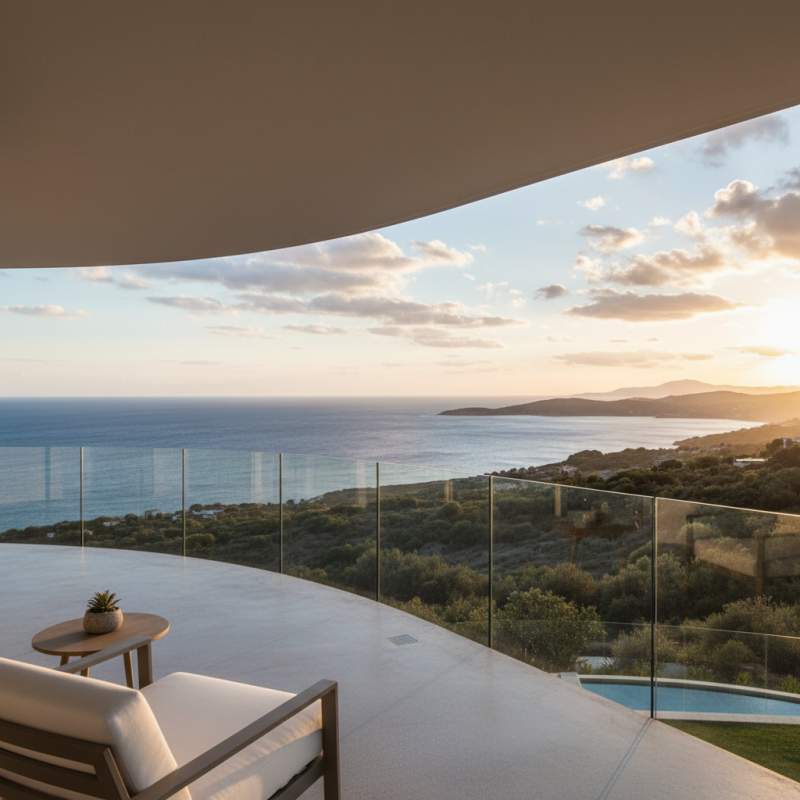
Curved glass guards have become popular for various applications. They offer unique aesthetics and practical benefits. The smooth curvature adds elegance. It enhances safety without sacrificing style. Many use them in architecture, interiors, and even furniture design.
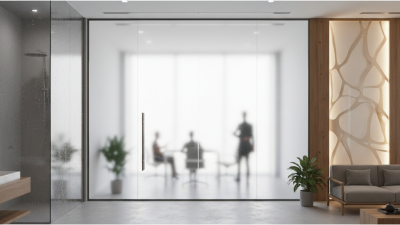
These guards can effectively prevent accidents. The rounded edges reduce sharp points, making them safer for families. Visibility is another key feature. Curved glass provides a seamless view, unlike traditional barriers. This is especially beneficial in commercial settings like restaurants or lounges.
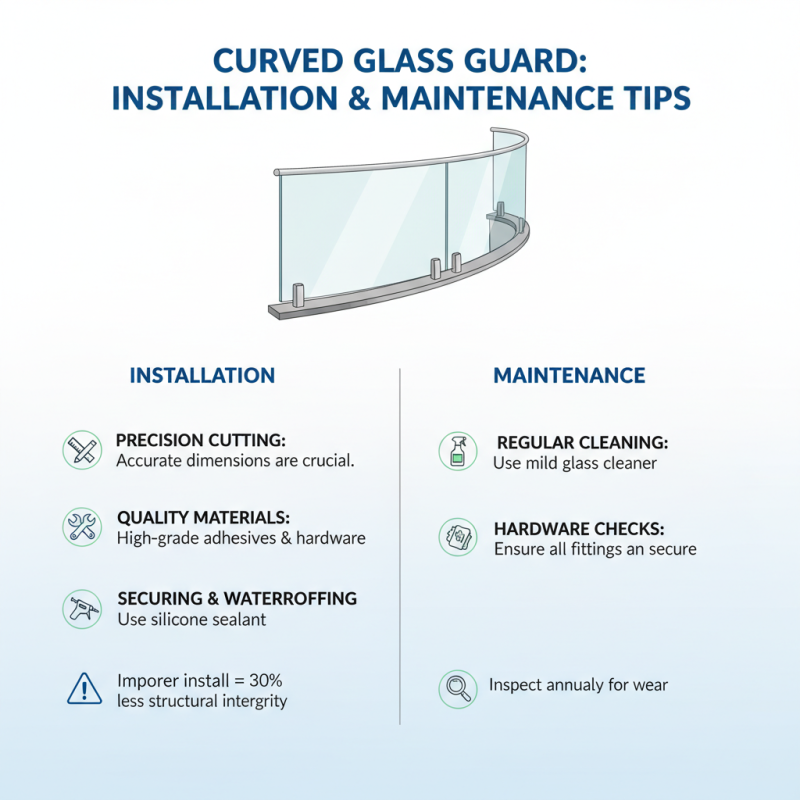
Tips: When selecting curved glass guards, think about thickness. Thicker glass can enhance durability. Also, consider the installation method. Proper fitting ensures safety and stability. Take time to choose the right supplier. Quality matters in both appearance and performance. A well-made glass guard is noticeable and impactful.
Benefits of Using Curved Glass Guards in Various Settings
Curved glass guards are gaining attention across various sectors. Their unique design enhances both safety and aesthetics. In commercial settings, they provide 360-degree visibility while ensuring protection. According to a report by the Glass Association, over 70% of businesses prefer curved glass for its modern look and functionality. This is evident in restaurants and retail spaces where atmosphere matters.
In residential applications, curved glass guards play a significant role. They are often used in balconies and staircases. A study revealed that homes featuring curved glass designs sold 15% faster than those with traditional barriers. This type of glass not only elevates style but also contributes to a sense of openness. However, maintenance can be challenging; water stains and fingerprints are common issues. Regular cleaning is essential to maintain clarity.
Additionally, curved glass guards can increase building safety codes. However, they also require rigorous testing to ensure strength and durability. An industry report indicated that improperly installed curved glass can lead to structural failures. This highlights the importance of professional installation. Each setting presents unique challenges and benefits that need careful consideration.
Top Curved Glass Guard Features and Benefits
Common Applications of Curved Glass Guards in Architecture
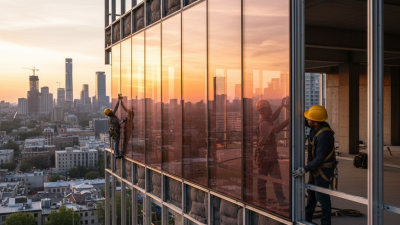
Curved glass guards are becoming increasingly prevalent in modern architecture. They serve both functional and aesthetic purposes. Their smooth, flowing lines can enhance the appearance of any building. Reports indicate that the market for curved glass products is projected to grow by over 7% annually through 2026. This growth is due to their versatile applications.
Common applications of curved glass guards include balustrades in residential buildings and commercial spaces. They provide safety without obstructing views. In shopping malls, these guards create an open and inviting atmosphere. Airports increasingly use them, blending form and function. Curved glass can withstand strong weather conditions, ensuring longevity.
Tips for selecting curved glass guards: consider the thickness and type of glass. Safety should be the utmost priority. Also, evaluate the installation process; improper installation can lead to costly issues. Ensure all regulations are met to avoid future complications. Curved glass reflects light beautifully, enhancing natural illumination. This feature adds to energy efficiency, reducing reliance on artificial lighting.
Top Curved Glass Guard Features Benefits and Applications
| Feature |
Benefit |
Common Applications |
| Aesthetically Pleasing Design |
Enhances the visual appeal of buildings |
Modern offices, retail spaces |
| Safety and Security |
Provides protection without obstructing views |
Balconies, staircases |
| Durable Materials |
Resistant to weather conditions and impact |
Outdoor installations, facades |
| Customizable Shapes |
Can be tailored to fit unique architectural needs |
Art installations, curved walls |
| Energy Efficiency |
Reduces energy costs through insulation |
Glass roofs, atriums |
| Low Maintenance |
Easy to clean and maintain over time |
Public buildings, commercial spaces |
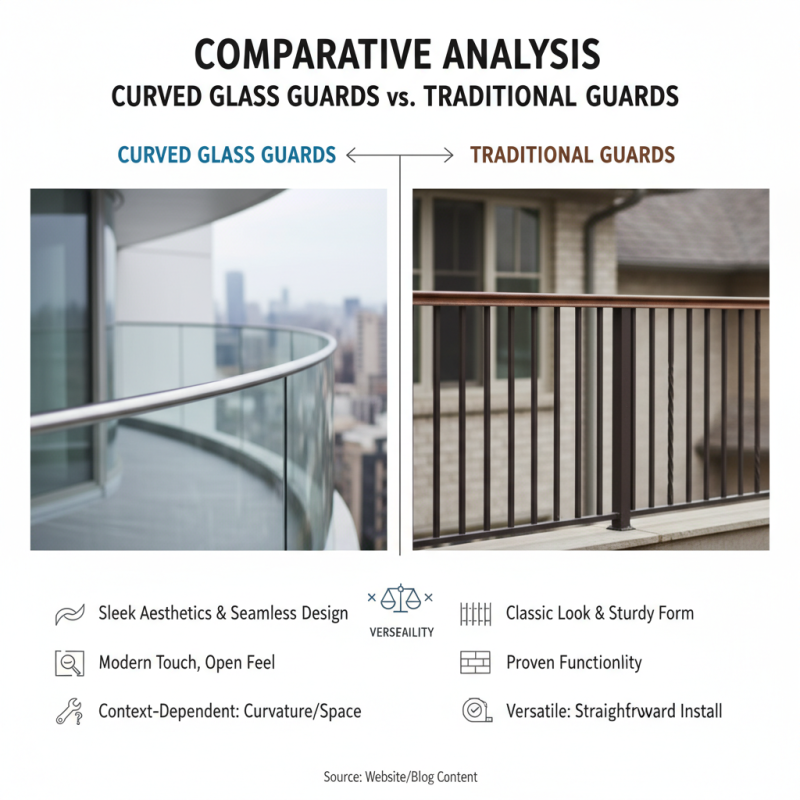
Comparative Analysis: Curved Glass Guards vs. Traditional Guards
Curved glass guards are gaining popularity in various applications, from railings to furniture. They offer sleek aesthetics that traditional guards often lack. The seamless design provides a modern touch to any space. However, they may not always fit each design's requirements, depending on curvature and installation space.
In comparison, traditional guards can be easier to install. They typically allow for more straightforward adjustments. Yet, they often appear bulky and detract from a room's overall elegance. Curved glass guards may need specialized installation, which can lead to higher costs. Still, they can enhance visibility and light flow within your environment.
**Tip:** When choosing between the two, consider your space's specific needs. Opt for curved glass if aesthetics are a priority. Think about maintenance, too. Curved glass may require more care to maintain its clarity. Ensure that any choice aligns with both functionality and style.