How to Choose the Best Toughened Glass for Your Projects?
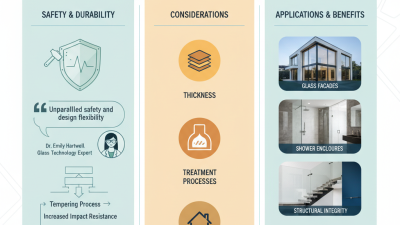
Choosing the right toughened glass for your projects can be a daunting task. The quality and characteristics of toughened glass significantly affect the safety and durability of your designs. Experts like John Stevens, a leading figure in the toughened glass industry, emphasize, "Not all toughened glass is created equal." This statement highlights the importance of understanding both the material and its applications.
Selecting the ideal toughened glass requires a keen eye for detail and technical knowledge. Factors such as thickness, tempering methods, and edge treatments are crucial. Each project may demand different specifications, so it’s essential to evaluate your needs. You might find that a specific type suits your project perfectly, while others do not meet safety standards.
Navigating through the options may seem overwhelming. Engaging with industry professionals can clarify your choices. They can provide insights into the best practices for installation and maintenance as well. By integrating this knowledge, you’ll ensure that your projects stand the test of time while prioritizing safety and aesthetics.

Understanding Toughened Glass: Definition and Properties
Toughened glass undergoes a special tempering process. This process increases its strength and thermal resistance. It is popular for various applications, including windows and shower doors. Understanding its properties is essential for making informed choices.
Toughened glass is four to five times stronger than regular glass. This durability makes it less likely to shatter on impact. When broken, it crumbles into small pieces, reducing injury risk. It's important to consider the thickness and size for your projects. Thicker glass provides better strength but may be heavier and harder to handle.
Tips for choosing toughened glass: Always check the safety standards in your region. Look for certified products with proper labeling. Assess your project needs. Sometimes, a more robust solution isn’t necessary for smaller applications. Not every project needs thick glass. Reflect on your specific requirements and potential environmental conditions. Understanding these factors can significantly impact your choice.
Choosing the Best Toughened Glass: Properties Comparison
Key Factors to Consider When Choosing Toughened Glass
When selecting toughened glass, various key factors come into play. One crucial element is the thickness of the glass. Thicker glass often provides greater strength and resistance against impacts. However, it's essential to balance durability with weight. For example, a thicker sheet may be more challenging to install, especially in larger projects.
Another important consideration is the type of edgework preferred. Beveled edges can enhance aesthetic appeal while also offering safety. Sharp edges can pose risks. Polished edges can alleviate this concern but might not suit every application. Always assess your project's requirements carefully.
Lastly, clarity and thermal resistance are essential. High clarity ensures optimal light transmission. Enhanced thermal stability reduces the chances of stress fractures under temperature changes. While many manufacturers boast about their glass, not all meet stringent safety standards. It’s crucial to choose suppliers who prioritize quality and reliability.
Different Types of Toughened Glass and Their Applications
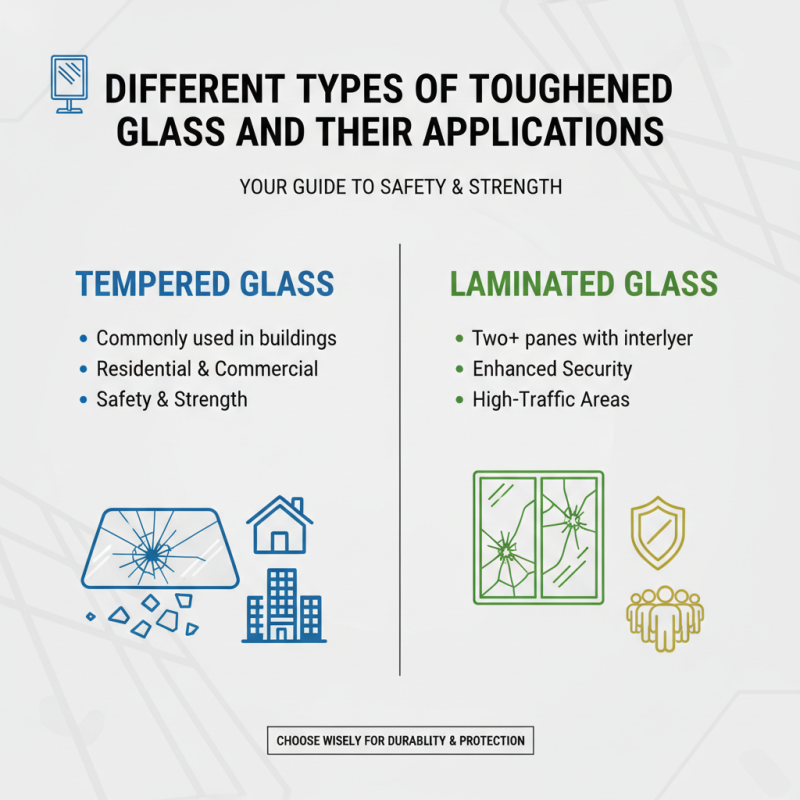
When selecting toughened glass, understanding its various types and applications is essential. Tempered glass is commonly used in residential and commercial buildings. It provides safety and strength. Laminated glass, on the other hand, combines two or more panes with an interlayer. This offers enhanced security, making it suitable for high-traffic areas.
Another option is heat-strengthened glass. It withstands thermal stress better than regular glass. This makes it ideal for facades and glass doors in areas with fluctuating temperatures. Additionally, low-iron glass is designed for maximum clarity. It reduces green tint and enhances natural light, perfect for showcases and museums. Each type has unique characteristics and must be chosen according to the project's specific needs.
Selecting the right kind of toughened glass requires an understanding of its properties and limitations. Not every type is appropriate for all environments. For instance, while laminated glass is strong, it may not be the best choice in a high-pressure situation, such as shower enclosures. Inefficient choices can lead to issues like thermal breakage, which is costly in the long run. Hence, thorough consideration is vital for a successful installation.
How to Evaluate the Quality of Toughened Glass Products
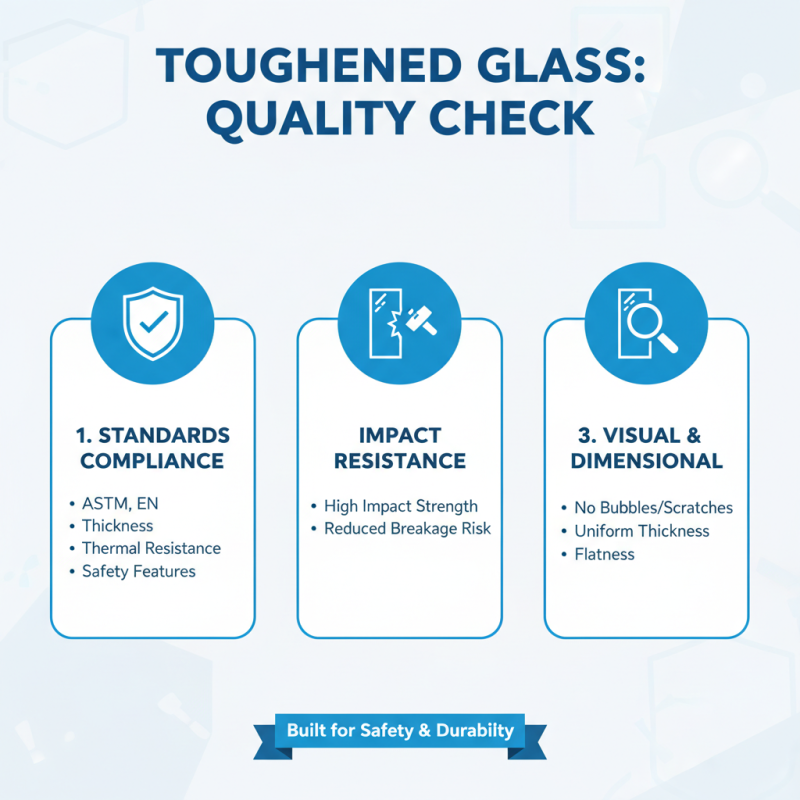
Evaluating the quality of toughened glass products requires a thorough understanding of several key factors. Look for standards compliance, particularly those set by organizations like ASTM and EN. These standards detail thickness, thermal resistance, and safety features. Toughened glass should withstand high impact, reducing the risk of breakage.
Transparency is essential when assessing glass quality. A clear, distortion-free surface indicates excellent manufacturing processes, which correlate with longevity. Research shows that up to 80% of customers prioritize visual clarity. Take note of the glass’s surface finish, as a polished surface often suggests better craftsmanship.
Be wary of the manufacturing process, as it impacts strength. Toughened glass undergoes heating and rapid cooling, enhancing durability. However, inconsistent heating can lead to weaknesses. Not all toughened glass products undergo the same level of quality control. It's crucial to seek products with traceability to manufacturing batches for quality assurance. Always request detailed product specifications and conduct independent assessments where possible.
Common Mistakes to Avoid When Selecting Toughened Glass
Selecting toughened glass for your projects involves careful consideration. It's common to overlook specific factors, leading to costly mistakes. One critical error is focusing solely on thickness. While thicker glass may offer more strength, it may not always suit your needs. According to the Glass Association, thickness should align with the intended application. For example, shower doors require a different specification than windows.
Another mistake is disregarding the type of edge finish. The raw edges of toughened glass can lead to safety hazards. A polished edge is more secure and aesthetically pleasing. The National Safety Council emphasizes the importance of edge treatments, noting that they can prevent injuries in residential and commercial spaces.
Additionally, a lack of understanding regarding thermal stress can cause issues. Toughened glass undergoes a heating and cooling process that creates internal stresses. If not handled correctly, this can lead to breakage. The Glass and Glazing Federation highlights that selecting glass without considering thermal expansion can result in failures. Always ensure compatibility with environmental factors.
How to Choose the Best Toughened Glass for Your Projects? - Common Mistakes to Avoid When Selecting Toughened Glass
| Property |
Importance |
Common Mistakes |
| Thickness |
Affects strength and insulation |
Choosing inadequate thickness for project needs |
| Type of Toughened Glass |
Determines impact resistance |
Not selecting the appropriate type for specific applications |
| Finish and Coating |
Influences aesthetics and durability |
Ignoring the effects of finishes and coatings |
| Thermal Treatment |
Enhances thermal resistance |
Not considering temperature fluctuations in selection |
| Size and Customization |
Affects installation and aesthetics |
Not measuring space properly before ordering |