How to Choose Fire Proof Glass for Your Building
Fire Proof Glass is not a decorative upgrade. It is part of a tested opening that must help limit fire and heat for a specified time. The need is measurable. The National Fire Protection Association’s report, “Fire Loss in the United States During 2022,” estimated 1,504,500 fires, 3,790 civilian deaths, and $18.1 billion in direct property damage across the United States. These figures describe the broader fire problem; they do not predict how any single product will perform.
Dr. James A. Milke, a fire-protection engineering scholar, offers a useful principle: choose glazing as part of a tested assembly, not as a standalone pane. That distinction matters. A clear label on the glass is not enough. The frame, seals, dimensions, and installation details can affect whether the complete opening matches its tested rating. A door beside a busy corridor may need a different solution from a glazed partition facing a quiet office.
Look for documented test performance, the required rating, and compatibility with the surrounding wall and frame. Standards such as ASTM E119 and UL 263 are used to evaluate fire-resistance performance, but the applicable listing and local project requirements must guide selection. Check manufacturer test documentation, not just a brochure. Ask how the system addresses heat transfer, impact safety, and installation limits. Small details matter. A hurried choice can leave gaps between the specified product and the one installed. This guide explains how to compare options carefully—and where even a confident specification deserves a second look.
Understanding Fire-Resistant Glass Ratings and Standards
Fire-resistant glass is rated by how long a tested assembly limits fire and heat, not by appearance alone. In European classifications, E indicates integrity, EW adds limits on heat radiation, and EI indicates both integrity and insulation. The number usually refers to minutes under a defined test. Check the standard behind it.
A 60-minute rating under one test method is not automatically equivalent to 60 minutes under another. North American projects may reference standards such as ASTM E119 or UL 263, while other regions use different testing and classification systems. Requirements also vary by building use and location. This can make comparisons less tidy than expected.
Look beyond the glass label. The frame, seals, fixings, pane size, and installation method may all affect whether the complete assembly meets its rating. A tested configuration may not cover a taller opening or a different frame material. Check that the proposed system matches the tested details, then confirm local code requirements with the project’s fire-safety professional. A small mismatch can matter.
Assessing Your Building’s Fire Safety Requirements
Assess the building before comparing glass types. Map each opening to its role in the fire-safety plan. A stair door, corridor screen, and façade panel may face different fire exposures. Details matter. Confirm the required fire-resistance period and whether the assembly must limit flames, smoke, or heat. Fire-protective glass may block flames while allowing significant heat through. Fire-resistive glazing can also reduce heat transfer, but performance depends on the tested assembly.
Review occupancy, escape routes, compartment walls, and nearby hazards. A glass panel beside a narrow exit may need different performance from one in a low-traffic office partition. Check the approved plans and applicable local requirements with a qualified fire-safety professional. Do not assume that a rating on the glass alone proves the whole opening is suitable. Frames, seals, fixings, and glazing dimensions affect performance too.
Look closely at installation conditions. A small gap at the frame or an unsuitable seal can undermine an otherwise appropriate system. Confirm that the proposed glass and framing have been tested together for the intended use. It is easy to focus on the fire-rating number and miss how people will use the space every day. Recheck the design if renovations change room layouts, exit paths, or wall openings.
How to Choose Fire-Proof Glass for Your Building
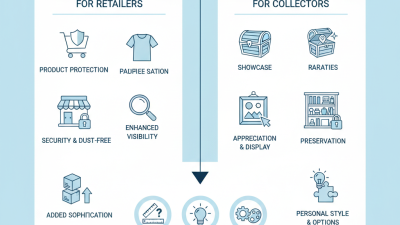
Assess the required fire-resistance rating before selecting glazing. The chart shows commonly encountered rating durations; the applicable options depend on local codes and the tested glazing and frame assembly.
How to use this: Confirm the required rating for each opening with your building code and fire-safety professional. A fire-protection-rated glazing product may not provide the same heat-barrier performance as a fire-resistance-rated assembly, even when their fire-test durations are similar.
Comparing Fire-Resistant Glass Types and Performance
Fire-protective glass and fire-resistive glass perform differently. Fire-protective products can block flames and hot gases, but may allow substantial radiant heat through. Fire-resistive glazing uses tested layers to limit heat transfer as well. In European classifications, E indicates integrity, EW adds limits on radiation, and EI includes insulation. These labels are not interchangeable with hourly ratings; performance depends on the tested assembly, including its frame and seals.
Tips: Match the glass rating to the wall and opening. Check the test standard, frame, maximum panel size, and installation details. A strong pane in the wrong frame may fail early.
NFPA’s Fire Loss in the United States During 2023 report estimated 1.39 million fires and about $23 billion in direct property damage. That context makes fire-rated openings worth careful review, but the right choice still depends on the building’s fire strategy. Compare tested performance, visibility, thickness, and cost with a qualified design professional. A clear view can matter in a corridor. So can heat control. One trade-off is easy to miss: higher insulation performance may bring thicker, heavier glazing and tighter installation tolerances.
Selecting Compatible Frames and Installation Systems
Fire-rated glass performs as part of a tested assembly, not as a separate pane. Match the glass rating and permitted dimensions to a compatible frame, glazing seals, setting blocks, and anchors. Small details matter. A frame that looks sturdy may still be unsuitable if its materials or profile differ from the approved system. Check the assembly documentation for the exact glass type, frame construction, maximum opening size, and required fire-exposure conditions. Local building officials can clarify which rating and evidence apply to your project.
Installation matters just as much. The wall substrate, anchor spacing, edge clearances, and seal depth must follow the system’s instructions. A narrow gap can compromise performance, while over-tightening may stress the glass. Do not improvise. Before work begins, compare shop drawings with site conditions, including floor movement and uneven masonry. I would check this twice; drawings can appear complete while missing a practical detail, such as where an anchor meets a joint. Use qualified installers, keep inspection records, and confirm that any field adjustment is permitted for the tested assembly. A tidy bead of sealant is not proof of compliance.
Verifying Compliance, Certification, and Maintenance Needs
A fire-rated glass panel is only as dependable as its tested assembly. Check that the certificate matches the exact glass type, frame, seals, dimensions, and mounting method—not just a similar-looking product. Ask for test evidence against the standards required by your local code, such as ASTM E119 or UL 263, and confirm whether the assembly provides fire protection or fire resistance. Those terms are not interchangeable. Where impact safety is required, verify that requirement separately. Keep the certificate and installation records on site.
Maintenance matters, too. NFPA 80 provides inspection requirements for fire door assemblies; follow the edition adopted locally and include glazed assemblies in the inspection plan where applicable. Look for loose beads, cracked glass, damaged seals, or labels hidden by paint. Small marks matter. NFPA’s “Fire Loss in the United States During 2023” estimated 1.39 million fires and 3,670 civilian fire deaths that year. Those figures describe the broader risk, not the performance of any particular glazing system. A practical detail often missed: record defects and repairs with dates and photographs. I have seen documentation treated as an afterthought; it can make later verification harder.