Why Choose Bent Glass for Your Next Project?
Bent Glass is transforming modern architecture and design. Its unique aesthetic appeals to both consumers and designers alike. This innovative material offers an array of possibilities for creative projects.
Using Bent Glass allows for fluid shapes and curves. It invites a fresh perspective on traditional designs. Its strength and flexibility are unmatched. However, working with this material requires skill and expertise. Not every craftsman can achieve the desired results.
Choosing Bent Glass can elevate your project, but challenges exist. Ensure you collaborate with experienced professionals. The right team can turn your vision into reality, providing reliable and beautiful results. Embrace the beauty of Bent Glass in your next endeavor.
Benefits of Bent Glass in Architectural Design
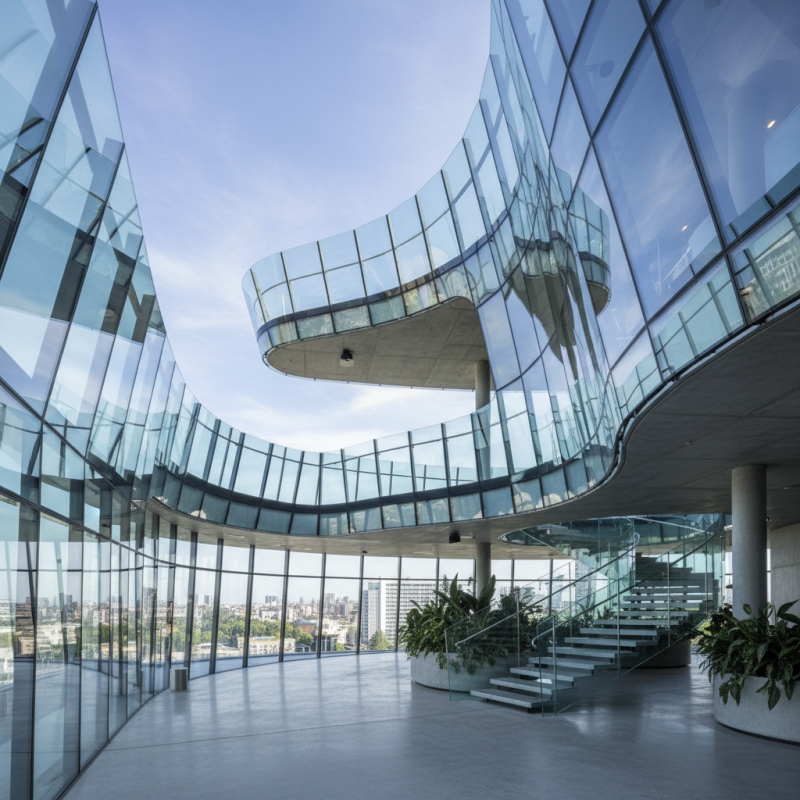
Bent glass is gaining popularity in architectural design, and for good reasons. Its unique curves can transform a standard façade into a stunning feature. This versatility opens up new avenues for creativity. Designers can push boundaries, creating dynamic shapes that draw attention.
One significant benefit of bent glass is its ability to maximize natural light. The curvature can enhance light diffusion, illuminating spaces more effectively. This not only reduces energy costs but also improves the ambiance. However, achieving the right curvature requires skill and precision. Not all projects may benefit equally from this material.
Durability is another key advantage. Bent glass is often stronger due to its manufacturing process. It can resist impacts, making it suitable for high-traffic areas. Still, this strength can pose a challenge in handling and installation. Proper training is essential for workers. Overall, bent glass can elevate architectural projects, but careful consideration is necessary to ensure it meets all practical needs.
Why Choose Bent Glass for Your Next Project? - Benefits of Bent Glass in Architectural Design
| Feature |
Description |
Benefits |
| Design Flexibility |
Bent glass can be customized into various shapes and sizes to fit unique architectural designs. |
Allows for creative and innovative building designs. |
| Aesthetic Appeal |
Provides a sleek and modern appearance, enhancing the visual impact of buildings. |
Increases property value and attracts attention. |
| Light Transmission |
Offers excellent light transmittance, allowing natural light to flow throughout the space. |
Promotes a healthier and more inviting atmosphere. |
| Durability |
Bent glass is made from toughened or laminated glass, increasing its strength. |
Resists breakage and ensures safety in high-traffic areas. |
| Thermal Performance |
Can be integrated with thermal insulation technologies to improve energy efficiency. |
Reduces heating and cooling costs. |
Durability and Safety Characteristics of Bent Glass
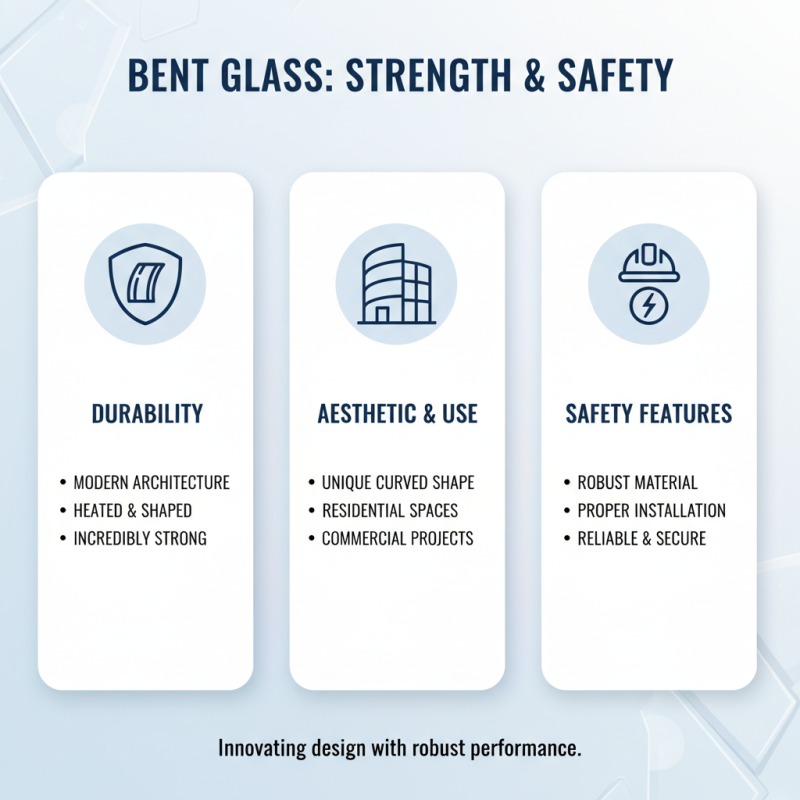
Bent glass is increasingly popular in modern architecture and design. Its unique shape adds aesthetic value, but its durability and safety features are equally compelling. Made through a heating and bending process, bent glass is not only beautiful but also incredibly strong. When properly installed, it serves well in both residential and commercial spaces.
One of the key advantages of bent glass is its resistance to impacts. Unlike flat glass, bent glass can absorb shocks better, making it less likely to break under stress. Safety is a crucial consideration in any project. Bent glass can meet building codes while enhancing the overall design. Many people overlook the potential hazards of using regular glass, especially in high-traffic areas.
However, there are challenges involved in using bent glass. The fabrication process can be more complex and costly. Not all designs can accommodate this material, requiring careful planning. Evaluating the benefits and drawbacks is essential. For those who prioritize safety alongside design, bent glass often emerges as a superior choice. It harmoniously blends functionality with elegance.
Aesthetic Appeal: Enhancing Visual Impact with Bent Glass
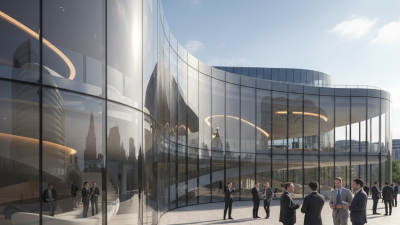
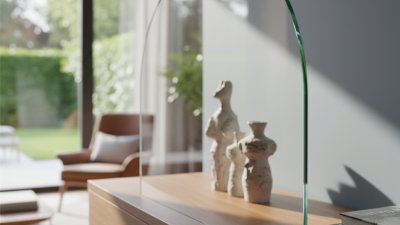
Bent glass captivates with its unique visual appeal. This material bends light in fascinating ways. Curved designs can create a sense of fluidity and elegance. Many designers appreciate bent glass for its ability to blend with various architectural styles.
Incorporating bent glass into a project can elevate the aesthetic impact. It allows for clever light manipulation, creating dynamic reflections. These enhancements don't just please the eye; they enrich the user experience. However, working with bent glass is not without its challenges. Proper installation is crucial, as misalignment can compromise the visual effect.
Considering production methods is important too. Not all bent glass is made the same way. Each technique may exhibit different qualities and imperfections. Understanding these nuances can help make a better choice for your project. A thoughtful approach can ensure that the final product looks polished and intentional.
Why Choose Bent Glass for Your Next Project?
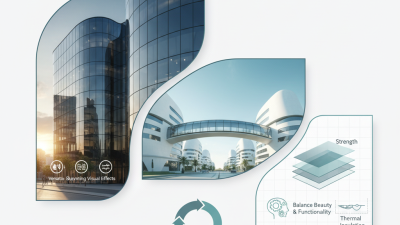
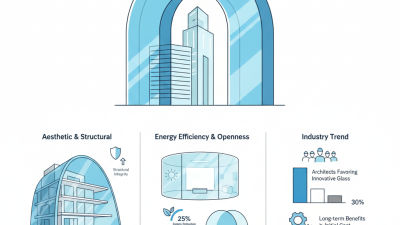
Bent glass is increasingly favored for architectural projects due to its aesthetic appeal and ability to enhance visual impact. Below is a bar chart illustrating the advantages of bent glass in various applications, highlighting its popularity compared to traditional glass options.
Applications of Bent Glass in Different Industries
Bent glass has gained traction in various industries due to its unique properties. Architects often use it for creating stunning building facades. The curvature of bent glass not only adds aesthetic appeal but also allows for innovative designs. It can be molded to fit diverse shapes, making it ideal for modern architecture. This flexibility can lead to creative solutions in challenging spaces.
In the automotive industry, bent glass plays a crucial role. Windshields and side windows benefit from its ability to withstand impact while providing clarity. However, producing bent glass requires skilled craftsmanship. A minor flaw in the bending process can lead to weakness. This highlights the need for expertise in manufacturing. The complexity of this process can sometimes lead to inconsistencies in quality. Each piece must be carefully inspected to ensure safety and durability.
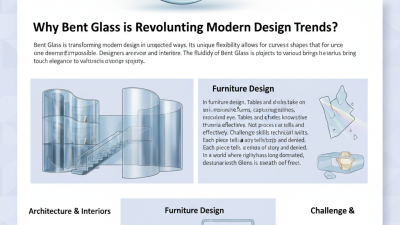
Furniture design also embraces bent glass. Tables and shelves made from this material can create a sleek look. It is lightweight yet strong, allowing for elegant designs. However, the risk of scratches or cracks exists if not maintained properly. Designers must balance beauty with practicality, often facing challenges in achieving both. Despite these issues, bent glass remains a popular choice, showcasing versatility across various applications.
Cost Considerations and Value of Bent Glass Projects
Bent glass offers unique benefits for various projects. The cost considerations often lead many to rethink their initial impressions. While bent glass can be more expensive upfront, its durability and aesthetic appeal provide long-term value.
Installation plays a significant role in overall expenses. If not handled properly, mistakes can lead to increased costs. Specialized knowledge is necessary for bending and installing glass. This expertise ensures that projects are completed on time and within budget. Furthermore, bent glass can save costs indirectly by enhancing energy efficiency. The right design may reduce heating and cooling expenses.
Visual appeal is another crucial factor. Projects that incorporate bent glass stand out. They create a modern and sleek look, attracting clients and customers. Yet, understanding the properties of bent glass is vital for its successful application. Its fragility requires careful handling during construction. This complexity can make projects challenging but rewarding, providing a space that is both functional and inviting.