China Top Glass Partitions for Modern Spaces What You Need to Know
In recent years, the demand for glass partitions in modern spaces has surged. Industry reports indicate that the global glass partition market is expected to grow significantly, reaching a valuation of $3 billion by 2025. These innovative designs provide flexibility and aesthetic appeal, making them a popular choice for offices and commercial spaces.
According to Sarah Thompson, a leading expert in architectural design and a frequent contributor to Glass Monthly, “Glass partitions transform environments, allowing light to penetrate while maintaining privacy.” This insight reflects the dual functionality of glass partitions—they are both practical and visually striking. However, the increased popularity brings challenges. Designers must ensure that while maximizing transparency, they also consider sound insulation and energy efficiency.
As glass partitions evolve, so do the materials and technologies used. Sustainability has become a priority, emphasizing the need for eco-friendly options. While they enhance modern aesthetics, there is still a need for meticulous consideration of installation techniques and structural integrity. The journey toward their optimal use continues, inviting reflection on both their benefits and potential drawbacks.
Overview of Glass Partition Types Popular in Contemporary Chinese Interiors
Glass partitions have become a staple in modern Chinese interiors. They offer a combination of style and functionality. Homeowners and designers alike appreciate the ability to create open spaces while maintaining a sense of privacy. This is particularly beneficial in urban settings where space is limited.
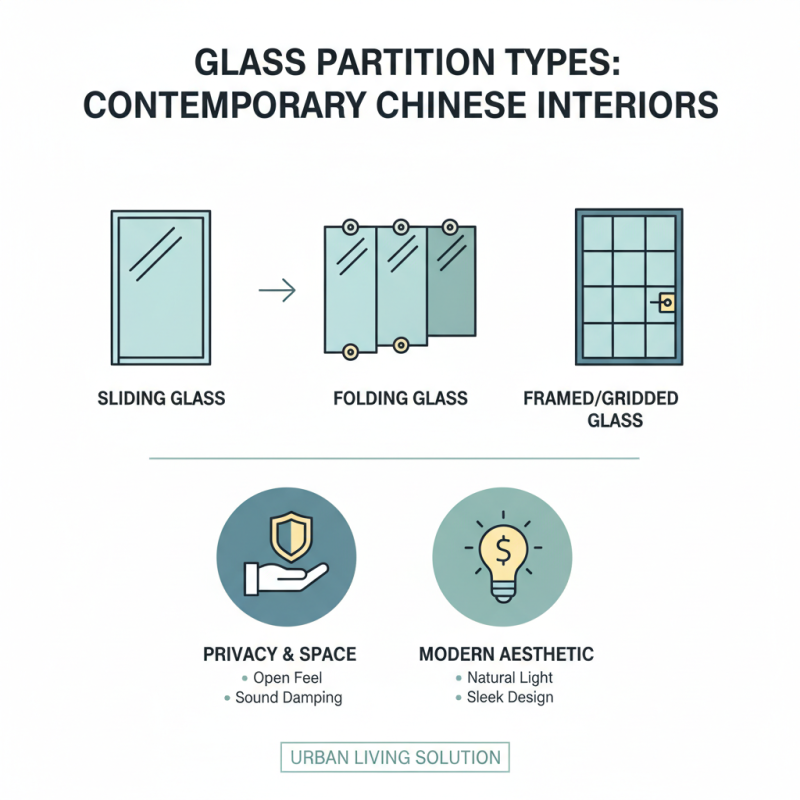
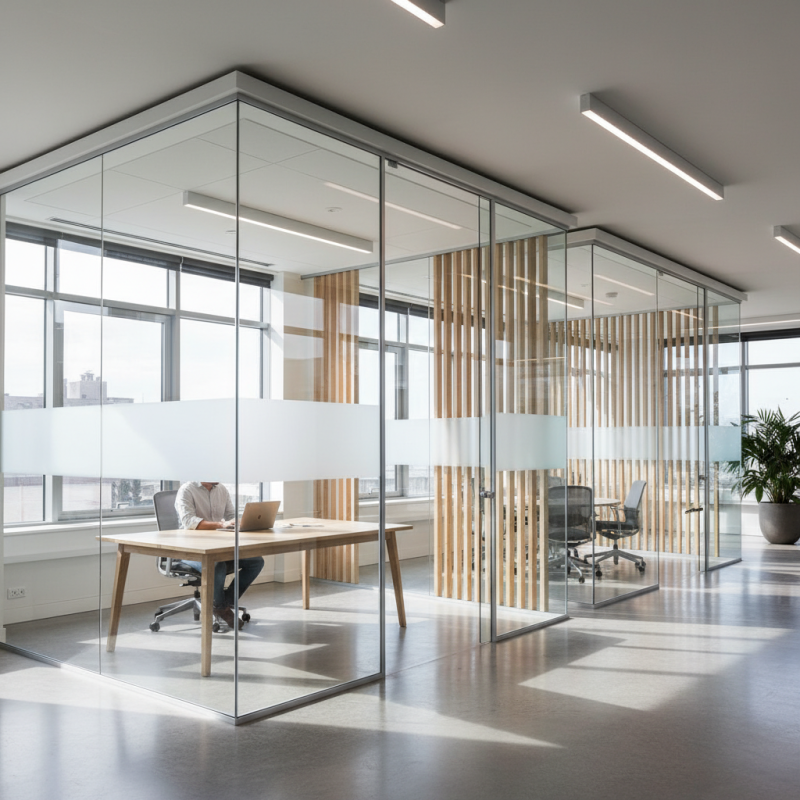
There are various types of glass partitions popular today. Frameless glass partitions provide a sleek, minimalistic look. They allow for maximum light flow, enhancing the feeling of openness. However, they can pose challenges in terms of sound insulation. Frosted glass partitions offer more privacy while still allowing light to penetrate. This option is ideal for offices or private spaces where confidentiality is necessary.
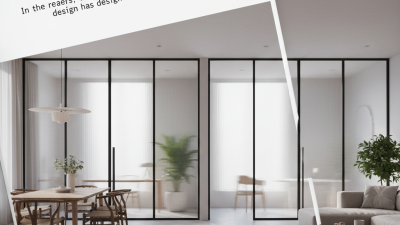
Another option is the use of sliding glass doors. They can separate spaces when needed and create an expansive feeling when open. However, the maintenance can be tedious, as tracks collect dust and grime. Each type of glass partition comes with its own advantages and drawbacks. It’s crucial to weigh these factors based on individual needs and aesthetics.
Key Features and Benefits of Glass Partitions for Modern Spaces
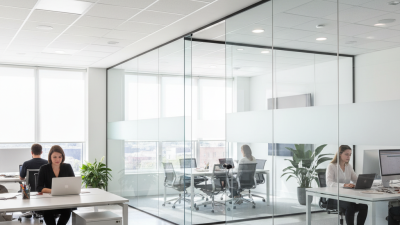
Glass partitions are transforming modern spaces. They provide not only a sleek aesthetic but also practical functionality. One key feature is their ability to create a sense of openness while maintaining privacy. The transparency of glass allows light to flow freely, enhancing the overall ambiance. In offices, this can lead to improved mood and productivity.
Another important benefit is the ease of installation and adaptability. Glass partitions can be customized to fit various dimensions and designs. They can be used to define workspaces without the need for permanent walls. This flexibility is perfect for evolving business needs. However, one must consider maintenance. Regular cleaning is necessary to keep them looking pristine.
Moreover, sound insulation can be a concern. While glass can reduce noise, it doesn't eliminate it completely. This may lead to distractions in busy environments. It's essential to weigh these factors against the advantages. When thoughtfully integrated, glass partitions can redefine how we experience functional spaces.
Materials and Manufacturing Standards in China’s Glass Partition Industry
China's glass partition industry has seen significant growth, emphasizing materials and manufacturing standards. Quality control is crucial. Manufacturers often rely on international guidelines. However, some companies may overlook details in their production processes. This inconsistency can lead to varying product quality.
Materials used in glass partitions are diverse. Tempered glass is popular for its safety features. Laminated glass is chosen for its strength and sound insulation. Inadequate testing during manufacturing can compromise durability. It is essential for consumers to prioritize certifications. Not all products meet the same standards.
Manufacturing techniques also play a vital role. Automated machinery increases efficiency but may lack the precision of manual craftsmanship. Workers require training to ensure high standards. The balance between cost and quality often leads to tough decisions. Engaging with knowledgeable suppliers is critical for informed choices.
Installation Techniques and Design Considerations for Optimal Use
Glass partitions are becoming increasingly popular in modern spaces. Their aesthetic appeal and functionality are critical. When it comes to installation techniques, precision is essential. Glass must be measured accurately to ensure a seamless fit. Poor alignment can lead to safety hazards and aesthetic issues. Studies show that approximately 30% of glass installation projects experience delays due to measurement errors.
Design considerations play a significant role. Transparency allows natural light to flow, enhancing the atmosphere. However, sound insulation can be a concern. According to industry reports, glass partitions can achieve up to 30% noise reduction, but this varies with thickness and seals. Designers should also contemplate the layout. Open spaces foster collaboration, yet too much openness can reduce privacy. Finding the balance is crucial.
Maintenance is another factor that requires attention. Glass surfaces can show fingerprints and smudges easily. Regular cleaning is essential for visual appeal. Installation techniques should also consider the weight of glass panels. Overlooking this can result in structural failures. Stakeholders must prioritize safety and durability throughout the process. Effective communication among designers and installers is vital.
Trends and Innovations Shaping the Future of Glass Partitions in China
The landscape of glass partitions in China is evolving rapidly. Innovations in design are reshaping both residential and commercial spaces. Modern glass partitions now feature thicker materials and advanced insulating properties. This enhances both aesthetics and efficiency in interior layouts.
Trends indicate a growing preference for environmentally friendly options. Many manufacturers are focusing on sustainable production methods. The use of recycled materials is becoming common. However, some challenges remain. Not all companies are fully transparent about their sourcing. Consumers must do their research before purchasing.
Customization is also a significant trend. More clients desire unique designs tailored to their specific needs. This often leads to mismatched expectations and disappointments when final products differ. Attention to detail remains crucial. The integration of smart technology in glass partitions is another exciting development. Yet, the complexity can lead to higher costs and installation issues. As we look ahead, these trends will continue to shape the industry.
China Top Glass Partitions for Modern Spaces
| Feature |
Details |
Trends |
Innovations |
| Material |
Tempered Glass, Laminated Glass |
Sustainable Materials |
Self-Cleaning Coatings |
| Functionality |
Acoustic Insulation, Light Diffusion |
Modular Designs |
Smart Glass Technology |
| Applications |
Offices, Retail, Residential |
Biophilic Design |
Integrated IoT Solutions |
| Design Trends |
Minimalist Aesthetic, Transparency |
Color Gradients |
Dynamic Partitioning Systems |
| Market Growth |
Rapid Expansion, Increasing Demand |
Customization Options |
Automation Features |