China Best Curved Glass Guard for Enhanced Safety and Aesthetic Appeal?
In recent years, the demand for safety and aesthetics in architectural design has surged. One innovative solution that has gained attention is the Curved Glass Guard. This guard not only enhances the beauty of spaces but also ensures safety. With its sleek design, it complements modern buildings, creating an inviting atmosphere.
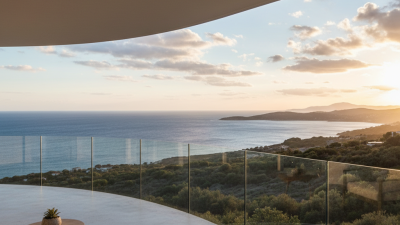
Curved Glass Guards are becoming increasingly popular in both residential and commercial settings. Their ability to provide unobstructed views while maintaining safety standards is a significant advantage. These guards offer elegance without compromising on security, appealing to a wide range of consumers. People appreciate how these installations can transform ordinary spaces into stunning environments.
However, it's essential to consider potential drawbacks. Not all curved glass solutions are created equal. Factors like installation quality and material choice play a vital role in performance. Customers should seek reliable suppliers with proven expertise in this field. By doing so, they can ensure that their Curved Glass Guard not only looks impressive but also withstands the test of time.
The Importance of Curved Glass Guards in Modern Architecture
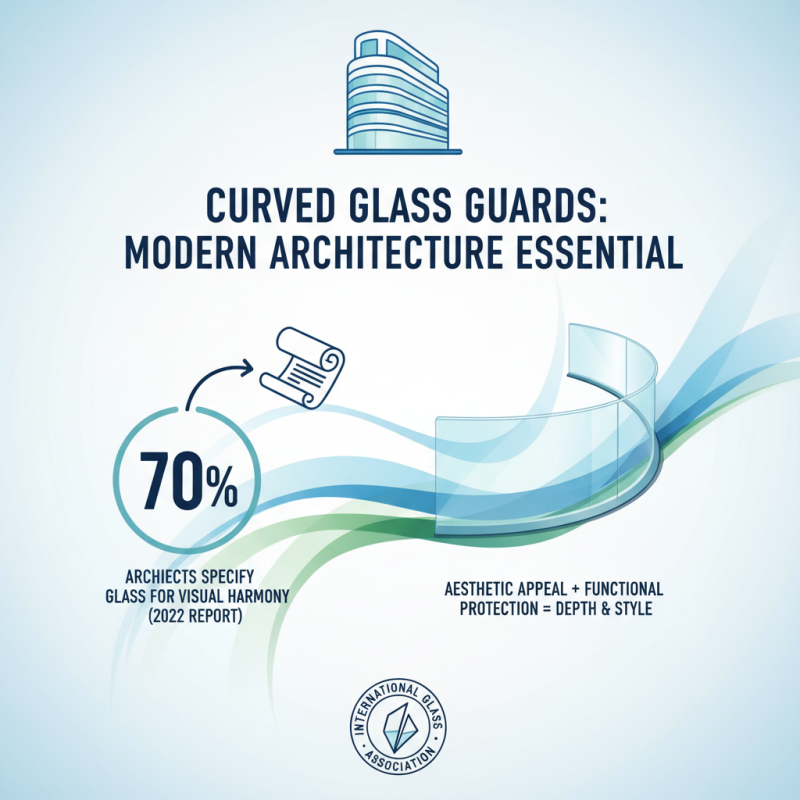
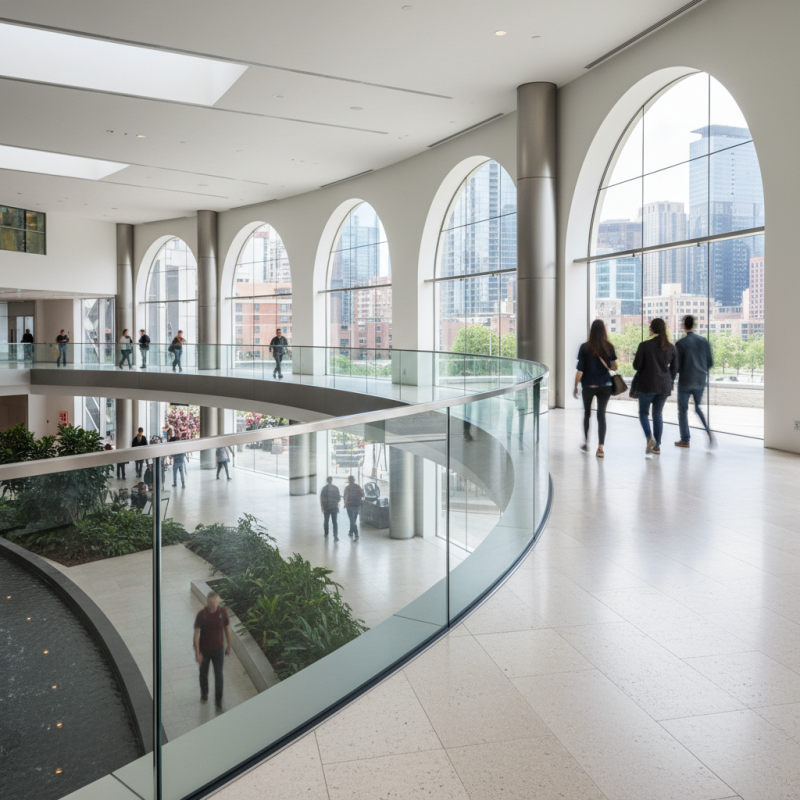
Curved glass guards have become a quintessential element in modern architecture. Their aesthetic appeal is undeniable, seamlessly blending functionality and style. According to a 2022 report by the International Glass Association, 70% of architects now specify glass solutions that enhance visual harmony in their designs. The curvature of these glass guards not only serves as a protective barrier but also adds depth to building facades.
Moreover, the safety benefits of curved glass are substantial. A study from the Architectural Safety Council indicates that using tempered or laminated curved glass can reduce injury risks by up to 40%. The unique shape helps redirect impact forces effectively. This quality makes it increasingly popular in high-traffic areas and public spaces, where safety is paramount.
Tips for selecting curved glass guards include checking for compliance with relevant safety standards. Pay attention to thickness and type of glass used, as these factors significantly impact durability. Consider the installation method, which should allow for natural light diffusion while maintaining structural integrity. Reflect on how curved designs can transform a standard space into a visually captivating environment. Embrace this modern trend, but always prioritize safety and technical requirements.
Key Features and Benefits of Curved Glass Guards
Curved glass guards offer a unique combination of safety and visual allure. Their elegant design seamlessly integrates into any space, making them a popular choice for homes and businesses alike. The smooth, rounded edges of curved glass prevent sharp corners, reducing injury risk. This design feature not only enhances safety but also adds a modern touch to interiors.
The clarity and transparency of curved glass provide unobstructed views. This makes spaces feel larger and more open, creating a welcoming atmosphere. Moreover, the glass is typically treated to resist scratches and impacts, ensuring long-lasting aesthetics. Regular maintenance, however, is essential to preserve its shine and structural integrity. Dust and smudges can diminish its beauty, prompting a need for vigilance.
While curved glass guards enhance beauty and safety, they can be costly. Installation requires skilled professionals, raising overall expenses. Additionally, not all spaces may benefit from this design. It is important to assess whether the aesthetics align with functional needs. Each environment poses unique challenges. Balancing style and practicality is key when considering curved glass as an option.
Safety Regulations and Standards for Curved Glass Products
Curved glass products are gaining popularity in various industries, from architecture to automotive design. Safety regulations are crucial to ensure that these products can withstand stress and prevent accidents. The International Standards Organization (ISO) sets guidelines for curved glass specifications. These standards ensure reliability and performance.
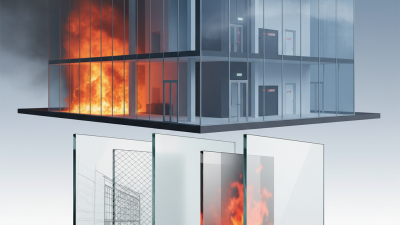
Data from Glass for Europe indicates that safety glass can reduce injury risks by up to 70% in case of breakage. However, not all curved glass meets these stringent requirements. Many manufacturers overlook the need for impact resistance testing. This oversight can lead to potential dangers for consumers.
Curved glass installations must also adhere to building codes. These codes regulate thickness and tempering processes, ensuring safety under various environmental conditions. Unfortunately, compliance is inconsistent across regions. Some countries have stricter regulations, which can cause confusion for manufacturers operating internationally. This discrepancy highlights the need for more cohesive global safety standards.
Aesthetic Considerations: Designing with Curved Glass Guards
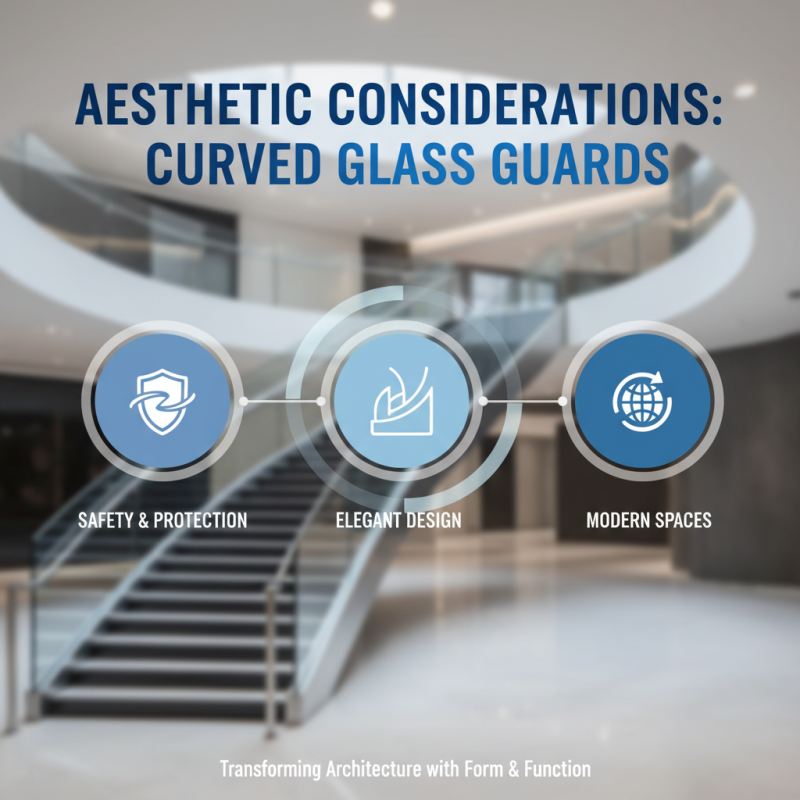
Curved glass guards offer a unique blend of safety and aesthetic charm. The elegance of these designs transforms spaces, providing visual appeal while ensuring protection. Architects and designers are increasingly incorporating curved glass into their projects to meet modern tastes.
The role of light is crucial in these designs. Curved glass reflects and refracts light differently compared to flat surfaces. This creates vibrant, dynamic environments that can elevate the ambiance. However, achieving the perfect curvature can be tricky. Subtle variations in design can affect both safety and style, leading to potential challenges during installation.
When considering aesthetics, balance is key. The right curve can highlight architectural features, but it must also harmonize with surrounding elements. Some may find the installation process daunting. Mistakes can occur, leading to dissatisfaction with the final look. Designers must strive for perfection while embracing the potential for imperfections. Each project presents a chance to learn and innovate.
Market Trends and Innovations in Curved Glass Technology
The curved glass market is experiencing remarkable innovation and growth. According to a recent report by Grand View Research, the global curved glass market size was valued at over $50 billion in 2022. Analysts project a compound annual growth rate (CAGR) of around 6% from 2023 to 2030. This upward trend is driven by the increasing demand for safety and aesthetic appeal in architecture and automotive design.
One significant trend is the advancement in technology used for producing curved glass. Processes like digital cutting and heating allow for precise shaping without compromising strength. However, manufacturers face challenges in maintaining consistent quality and minimizing waste during production. It often requires balancing aesthetics with functional resilience. Achieving this is crucial as curved glass is not just a design feature; it also needs to withstand environmental stresses.
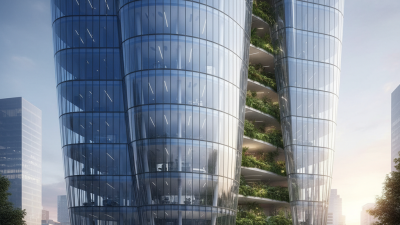
The architectural sector is a major contributor to this market. Curved glass facades enhance building aesthetics and energy efficiency. A study by the International Energy Agency indicates that buildings with curved glass can reduce energy consumption by up to 30%. Despite these benefits, achieving a harmonious design with practical functionality remains a complex task for architects. The journey towards enhancing curved glass applications is a reflection of both innovation and ongoing challenges in the industry.
Market Trends in Curved Glass Technology